
The roar of a jet engine, the chatter of nearby passengers, and the persistent hum of the cabin ventilation system—these are the enemies of a peaceful flight. Whether you are a frequent business traveler or a vacationer embarking on a long-haul journey, finding the right audio gear is no longer a luxury; it is a necessity for your sanity. As we navigate through 2026, the technology behind Active Noise Cancellation (ANC) has reached unprecedented levels of sophistication, making it easier than ever to turn your seat in 14B into a private sanctuary.
Selecting the best noise-canceling earbuds for flying is about more than just picking the most expensive pair on the shelf. It requires a strategic approach, balancing battery endurance, ergonomic comfort, and the specific ability to neutralize low-frequency drone sounds. In this guide, we will break down exactly what you need to look for to ensure your next flight is as quiet as a library.
1. Understanding ANC Technology: Why It Matters for Air Travel
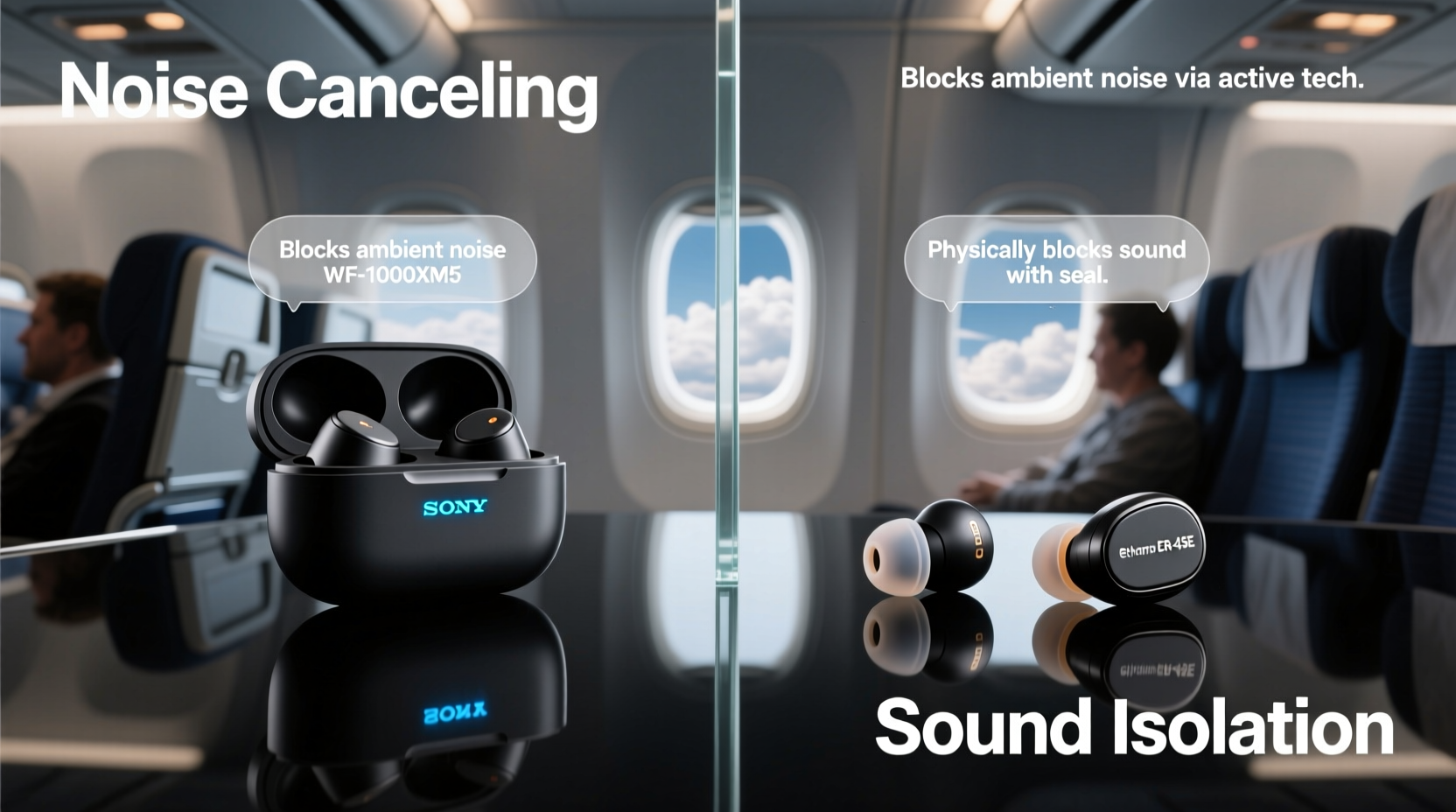
Not all noise cancellation is created equal. To select the right pair, you must understand the difference between Passive Noise Isolation and Active Noise Cancellation (ANC). Passive isolation refers to the physical seal created by the earbud tip inside your ear canal, which blocks out high-frequency sounds like talking or crying babies.
However, for flying, you need high-end ANC. Modern earbuds use microphones to listen to the ambient noise around you and then generate an “anti-noise” frequency that effectively cancels out the constant, low-frequency rumble of airplane engines. In 2026, the best-in-class models are capable of reducing engine noise by up to 30-40 decibels, effectively silencing the roar that leads to travel fatigue.
When shopping, look for models that feature Adaptive ANC. This technology automatically adjusts the strength of the noise cancellation based on your environment. If the pilot makes an announcement or the cabin air pressure changes, the earbuds intelligently recalibrate to keep your audio experience consistent.
2. Battery Life: The Non-Negotiable Metric
There is nothing worse than your earbuds dying mid-flight over the Atlantic. When you are choosing your next travel companion, battery capacity is your primary metric. For long-haul flights, you need a device that can comfortably exceed the duration of your journey without requiring a trip to the charging case.
In 2026, the industry standard for premium noise-canceling earbuds is 8 to 10 hours of continuous playback with ANC turned on. When you factor in the charging case, you should be looking for a total battery life of 30+ hours.
Quick Charge Features: Always check for rapid charging capabilities. Leading models now offer 1 to 2 hours of playback from just a 5-minute charge, which is a lifesaver if you forget to plug them in before heading to the airport.
Case Efficiency: Ensure the case is compact enough to fit in a seat-back pocket but robust enough to offer multiple full recharges.
3. Comfort and Ergonomics: The Long-Haul Factor
You might find the best-sounding earbuds on the market, but if they cause “ear fatigue” after two hours, they are useless for a 10-hour flight. Comfort is subjective, but there are objective features you should prioritize.
Look for models that come with multiple sizes of memory foam or high-grade silicone ear tips. Memory foam is generally superior for flying because it expands to fill the ear canal more completely, creating a better seal for passive isolation.
Furthermore, consider the physical profile of the earbud. If you like to sleep with your head against the side of the airplane seat, you need a “low-profile” design that doesn’t protrude too far out of your ear. Bulky earbuds will press against the headrest, causing significant discomfort during long attempts at rest. Always test the “fit stability”—the earbuds should feel secure without exerting excess pressure on your tragus or concha.
4. Connectivity and Ecosystem Integration
In 2026, the best noise-canceling earbuds for flying are those that integrate seamlessly with your existing devices. If you are an Apple user, spatial audio and instant device switching between your iPad and iPhone are critical. If you are an Android user, look for LDAC support or high-resolution codec compatibility to ensure you aren’t losing audio quality over Bluetooth.
Another crucial feature for air travel is Multipoint Connectivity. This allows your earbuds to stay connected to your laptop (for movies) and your phone (for incoming calls) simultaneously. If you are watching a film and a call comes through on your phone, the earbuds will automatically switch the audio source, ensuring you never miss an important notification while in the air.
5. Essential Features for the Modern Traveler
Beyond the basics, several “quality of life” features can transform your experience in the cabin. When reading reviews for 2026 models, keep an eye out for these specific capabilities:
Transparency Mode: This allows you to hear announcements from flight attendants or your cabin neighbors without removing your earbuds. The best models allow you to adjust the level of transparency via an app.
Wind Noise Reduction: If you travel frequently on smaller planes or spend time on the tarmac, look for earbuds with specific wind-shielding mesh on the microphones. This prevents the “whooshing” sound during phone calls.
Water and Sweat Resistance: While not strictly for flying, an IPX4 or IPX5 rating ensures that your earbuds will survive a spill in the cabin or a dash through a rainy airport terminal.
App-Based Customization: The ability to tweak the EQ (Equalizer) settings is a game-changer. You might want a “bass-heavy” profile for action movies or a “vocal-boost” profile for podcasts and audiobooks.
Evaluating the “Real-World” Performance
When we test these devices in 2026, we don’t just look at the spec sheet. We take them on actual flights. The engine rumble of a Boeing 787 is fundamentally different from the high-pitched whine of a regional jet. The top-tier earbuds today are those that can handle the dynamic range of cabin noise.
When you are reading expert reviews, look for mentions of “in-flight testing.” A product might look great in a lab, but if the ANC algorithm struggles to keep up with the fluctuating cabin pressure or the specific frequency of the jet engine, it will fall short of the “best for flying” title. Always prioritize reviews that mention long-term comfort over those that only focus on sound quality.
Final Thoughts: Making Your Choice
Choosing the right noise-canceling earbuds for your travels is an investment in your well-being. By minimizing the chaotic noise of air travel, you arrive at your destination feeling significantly less drained. Remember to prioritize ANC strength, battery longevity, and comfort above all else.
As of May 2026, the market is saturated with options, but by focusing on these core requirements, you can cut through the noise and find a pair that truly enhances your travel experience. Whether you choose the industry leader or a high-performing mid-range option, ensure that your selection supports your specific travel habits—whether that means extra-long battery life for international flights or a compact case for frequent business trips.
Safe travels, and may your next flight be your quietest one yet.