
For many of us, the morning ritual begins with the rich, comforting aroma of a freshly brewed cup of coffee. However, by 2026, the global coffee industry has reached a critical turning point. As climate change impacts coffee-growing regions and economic disparities continue to affect smallholder farmers, the way we source our beans matters more than ever. Selecting the best sustainable and ethical coffee brand is no longer just a trend; it is a vital responsibility for the conscious consumer.
Choosing coffee that aligns with your values can feel overwhelming given the sea of labels, certifications, and marketing claims. How do you distinguish between genuine impact and “greenwashing”? This comprehensive guide will walk you through the essential criteria for identifying brands that prioritize environmental stewardship, social equity, and long-term economic viability.
1. Decoding Certifications: Beyond the Buzzwords
When browsing the coffee aisle or scrolling through e-commerce sites, you will encounter a plethora of seals. While not all ethical brands choose to pay for expensive certifications, these labels serve as a reliable starting point for identifying sustainable coffee practices.
Fair Trade and Direct Trade
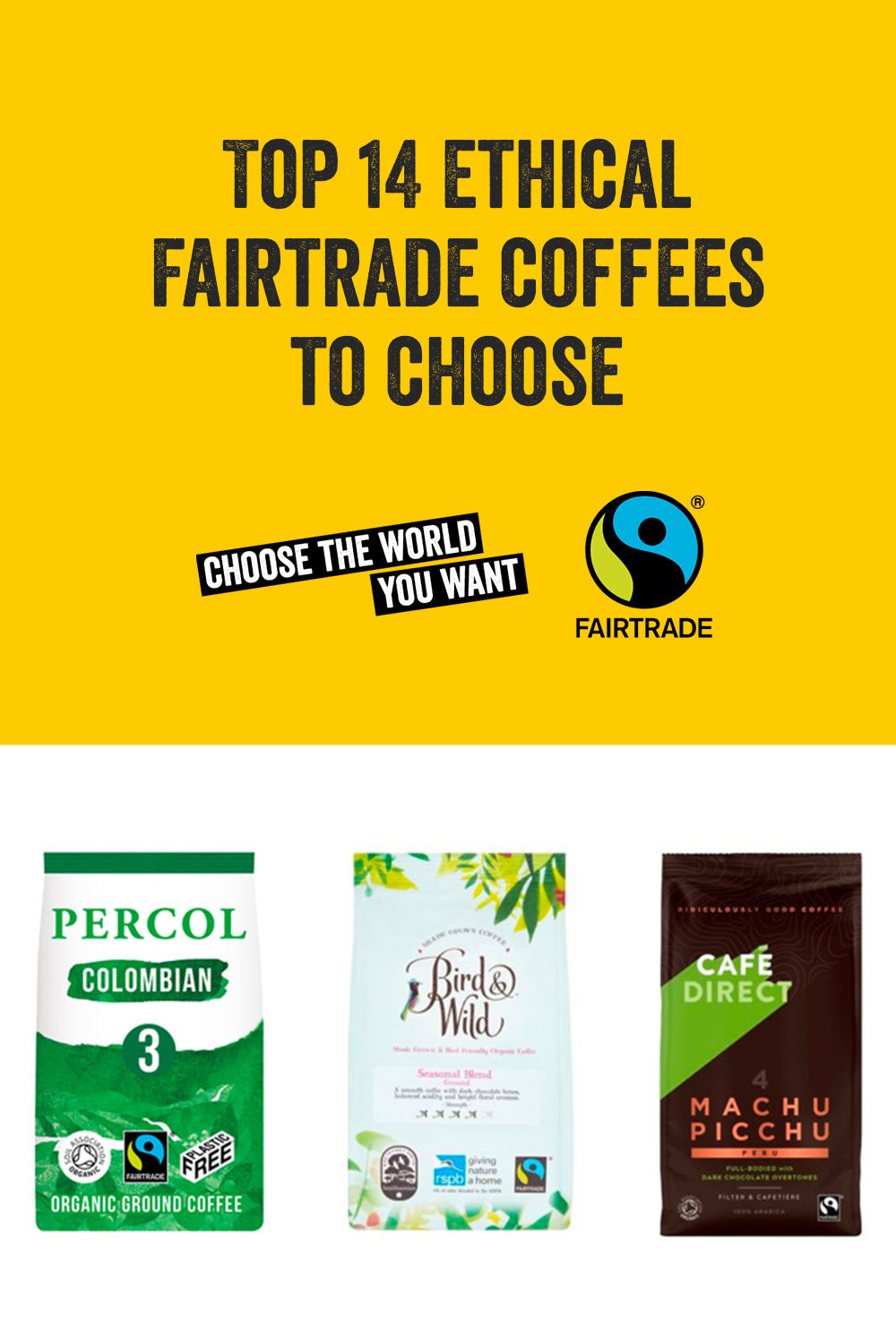
Fair Trade Certified: This ensures that farmers receive a guaranteed minimum price for their coffee, protecting them against volatile market fluctuations. By 2026, Fair Trade standards have evolved to include more rigorous climate resilience training for cooperatives.
Direct Trade: Many premium, ethical brands bypass traditional supply chains to deal directly with farmers. This model often results in higher premiums paid to the producer and fosters long-term relationships, allowing farmers to invest in better processing equipment and community infrastructure.
Organic and Bird-Friendly Labels
USDA Organic: This certification confirms that the coffee was grown without the use of synthetic pesticides or fertilizers, protecting the local ecosystem and the health of the farmers.
Bird-Friendly (Smithsonian): This is arguably the gold standard for environmental conservation. It ensures the coffee is grown under a forest canopy, which provides essential habitats for migratory birds and promotes biodiversity.
2. Environmental Impact and Regenerative Farming
The best sustainable coffee brands in 2026 are moving beyond “doing less harm” and are now focused on “doing more good.” Regenerative agriculture is the new frontier, focusing on soil health, carbon sequestration, and water conservation.
Carbon Footprint Transparency
Look for companies that are transparent about their Scope 3 emissions. These brands often invest in carbon-neutral shipping, electric delivery fleets, or reforestation projects near their coffee-growing regions. When a brand tracks and reports its total carbon footprint, it demonstrates a commitment to accountability that goes far beyond a simple label.
Water Stewardship
Coffee processing is notoriously water-intensive. Ethical brands are increasingly utilizing “honey process” or “natural process” methods, which significantly reduce water consumption compared to traditional “washed” methods. By supporting brands that implement water-recycling technologies at the washing stations, you are directly contributing to the preservation of local water tables in coffee-growing communities.
3. Prioritizing Social Equity and Farmer Welfare
A truly ethical coffee brand treats farmers as partners rather than commodities. In 2026, the most forward-thinking companies are shifting the focus from simple charity to systemic empowerment.
Living Wage vs. Minimum Wage
There is a massive difference between paying a “minimum wage” and ensuring a “living wage.” The best brands explicitly state that they pay farmers a premium that allows them to cover the costs of education, healthcare, and nutrition. When you purchase coffee, check the company’s website for an Impact Report. Brands that are proud of their ethical standards will readily disclose their pay structures and the specific community projects they fund.
Gender Equity in Coffee Production
Women produce a significant portion of the world’s coffee, yet they often face systemic barriers to land ownership and credit. Many leading ethical roasters now prioritize sourcing from women-owned cooperatives. Supporting these initiatives helps bridge the gender gap and provides women in rural areas with the financial independence necessary to lead their communities.
4. Packaging and Waste Reduction Strategies
Sustainability doesn’t stop at the bean; it extends to the vessel that carries it to your kitchen. The best sustainable coffee brands are innovating in packaging design to minimize the impact of single-use plastics.
Compostable Packaging: Look for bags made from plant-based materials that can be broken down in a home or industrial compost facility.
Bulk and Subscription Models: Subscription services that offer refillable canisters or bulk shipping reduce the total amount of waste generated per cup. By opting for a subscription, you also ensure that the roaster can accurately forecast demand, which reduces the amount of “stale” or wasted coffee at the end of the production cycle.
5. How to Conduct Your Own “Brand Audit”
If you find a new brand and want to verify its ethics, follow this simple three-step audit process:
- The “About Us” Check: Does the brand mention specific cooperatives or regions they source from? If they hide their origin stories, they are likely sourcing from anonymous, large-scale commodity markets where exploitation is harder to track.
- Certification Verification: Are they displaying valid, current certification logos? You can verify these on the official websites of organizations like Fair Trade USA or the Rainforest Alliance.
- Third-Party Review: Check platforms like LeafScore or Coffee Vogue, which frequently update their rankings of ethical brands based on 2026 industry data. If a brand is consistently mentioned by reputable sustainable-living curators, it is a strong indicator of their credibility.
The Future of Coffee: A Collective Movement
The shift toward ethical coffee is a powerful example of how consumer choices can drive corporate behavior. By 2026, the industry has responded to the growing demand for transparency by making ethical sourcing the baseline for high-end roasters.
When you choose a brand that prioritizes fair trade practices, environmental sustainability, and farmers’ welfare, you aren’t just buying a caffeinated beverage. You are casting a vote for a world where coffee production supports the planet and the people who nurture it. Every cup counts. Whether you prefer a light-roast Ethiopian Yirgacheffe or a bold, dark-roast Colombian blend, make sure your choice reflects the kind of world you want to live in.
Why Your Choice Matters
The cumulative effect of individual decisions is staggering. If every coffee drinker transitioned to a sustainable brand, we would see a massive reduction in deforestation and a significant increase in the quality of life for millions of coffee farmers. The “cup of change” starts with your next purchase. Stay informed, stay curious, and continue to demand better from the brands you support.
This collective power extends far beyond individual cups, creating a ripple effect that reshapes entire supply chains. Consider the tangible impact: when you choose a brand committed to shade-grown coffee, you’re not just getting a better bean; you’re directly contributing to the preservation of vital forest ecosystems. These agroforestry systems provide critical habitats for migratory birds and local wildlife, enhance biodiversity, and prevent soil erosion. For instance, studies by organizations like the Smithsonian Migratory Bird Center highlight how shade-grown coffee farms act as crucial refuges for species facing habitat loss elsewhere, turning your morning brew into an act of conservation.
Furthermore, the economic implications for coffee farmers are profound. In conventional markets, the price of coffee can fluctuate wildly, often falling below the cost of production for farmers. This instability drives many into cycles of debt, poverty, and forced labor, sometimes leading to the use of harmful pesticides or deforestation to maximize yields at any cost. By contrast, ethical certifications like Fair Trade guarantee a minimum price and often a social premium, empowering farmer cooperatives to invest in community projects such as schools, healthcare facilities, and infrastructure. Direct trade relationships go even further, fostering long-term partnerships, providing technical assistance, and ensuring farmers receive a significantly larger share of the retail price, sometimes 2-3 times more than commodity market rates. This stability allows farmers to plan for the future, adopt sustainable practices, and build generational wealth, transforming entire communities from vulnerability to resilience.
However, navigating the landscape of ethical claims can be challenging. The rise of “greenwashing”—where brands make unsubstantiated or misleading claims about their environmental or social practices—is a real concern. To avoid falling victim to vague marketing, look beyond buzzwords like “natural” or “eco-friendly.” Instead, seek out specific, third-party certifications (like Fair Trade, Rainforest Alliance, organic, or B Corp certification), transparent reporting on sourcing and farmer payments, and evidence of long-term commitments rather than one-off initiatives. A truly ethical brand will be proud to share details about its supply chain, its farmer partnerships, and its environmental footprint. Don’t hesitate to visit their website, read their sustainability reports, or even reach out to them directly with questions.
Beyond certifications, consider the roast and origin. Many smaller, independent roasters engage in direct trade, building personal relationships with farmers and ensuring fair prices without the overhead of certification bodies. While these brands might not carry every label, their transparency and direct engagement often speak volumes about their commitment. Look for detailed origin stories, farmer profiles, and information about the specific co-ops or farms they work with. This level of detail often indicates a deeper, more intentional approach to ethical sourcing.
Ultimately, your journey towards a more sustainable coffee habit is an ongoing one. It’s about continuous learning, adapting to new information, and advocating for change. Engage with brands on social media, share your choices with friends and family, and support policy initiatives that promote sustainable agriculture and fair trade practices globally. The “cup of change” is not just a single purchase; it’s a daily commitment, a powerful statement that your values extend to every aspect of your life, including the ritual that jumpstarts your day. By consistently choosing wisely, you contribute to a global movement that values people and planet as much as profit, ensuring a more equitable and sustainable future for all who depend on this beloved bean.