
The electric bike revolution is no longer a glimpse into the future; it is the standard for modern urban mobility. As we navigate through 2026, the market has matured significantly, offering everything from ultra-lightweight carbon fiber commuters to heavy-duty cargo haulers. However, with this abundance of choice comes the “paradox of choice,” making it harder than ever to distinguish a high-quality machine from a potential maintenance nightmare.
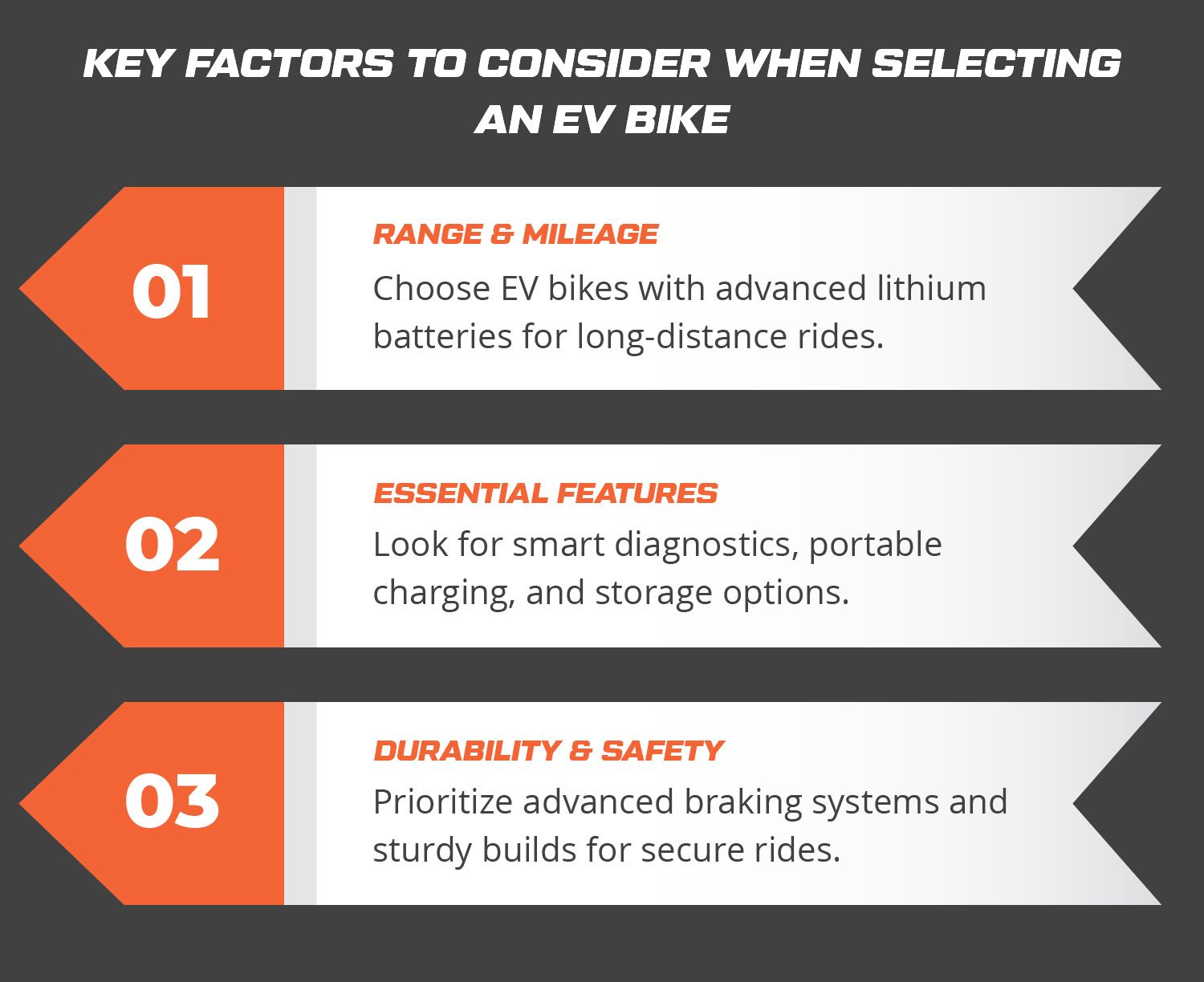
Selecting the right e-bike is an investment in your lifestyle, health, and daily convenience. Whether you are looking to replace your car for daily commuting or seeking a rugged companion for weekend trail adventures, understanding the technical nuances is essential. In this guide, we break down the top 10 factors for selecting a high-quality electric bike to ensure your investment pays dividends in performance and reliability for years to come.
1. Determining the Right eBike Type for Your Lifestyle
Before diving into technical specs, you must define your purpose. Are you a city dweller navigating tight apartment hallways, or a suburbanite hauling groceries?
Commuter e-bikes: Designed for pavement, featuring integrated lights, racks, and fenders.
Electric Mountain Bikes (eMTBs): Built with heavy-duty suspension and aggressive tread for off-road trails.
Cargo e-bikes: Engineered with extended frames to carry heavy loads or children safely.
Folding e-bikes: The ultimate solution for multi-modal commuters who combine cycling with trains or buses.
Choosing the wrong category is the most common reason buyers regret their purchase within the first six months. Evaluate your daily terrain and storage space before looking at power specs.
2. Motor Placement and Power Dynamics
The motor is the heart of your e-bike, and its placement significantly impacts the ride quality and handling.
Mid-Drive Motors: Located at the bottom bracket, these provide a natural, balanced feel by keeping the center of gravity low. They excel at climbing steep hills because they leverage the bike’s existing gear system.
Hub Motors: Located in the center of the wheel (front or rear), these are generally more affordable and offer a “push” sensation. They are ideal for flat city riding but can struggle on extreme inclines.
In 2026, high-quality brands are increasingly shifting toward torque-sensing mid-drive motors, which provide a smoother, more intuitive power delivery compared to the older cadence-sensing systems.
3. Battery Capacity and Real-World Range
Don’t be fooled by marketing claims of “100-mile ranges.” Real-world range is determined by watt-hours (Wh), rider weight, terrain, and assistance levels.
A high-quality e-bike should feature a battery from a reputable manufacturer (such as Bosch, Shimano, or Samsung). Look for a minimum of 500Wh for a standard commuter bike. Always check if the battery is removable, which is a critical feature for those who need to charge their bike inside an office or apartment where a power outlet isn’t near the bike rack.
4. The Importance of Braking Systems
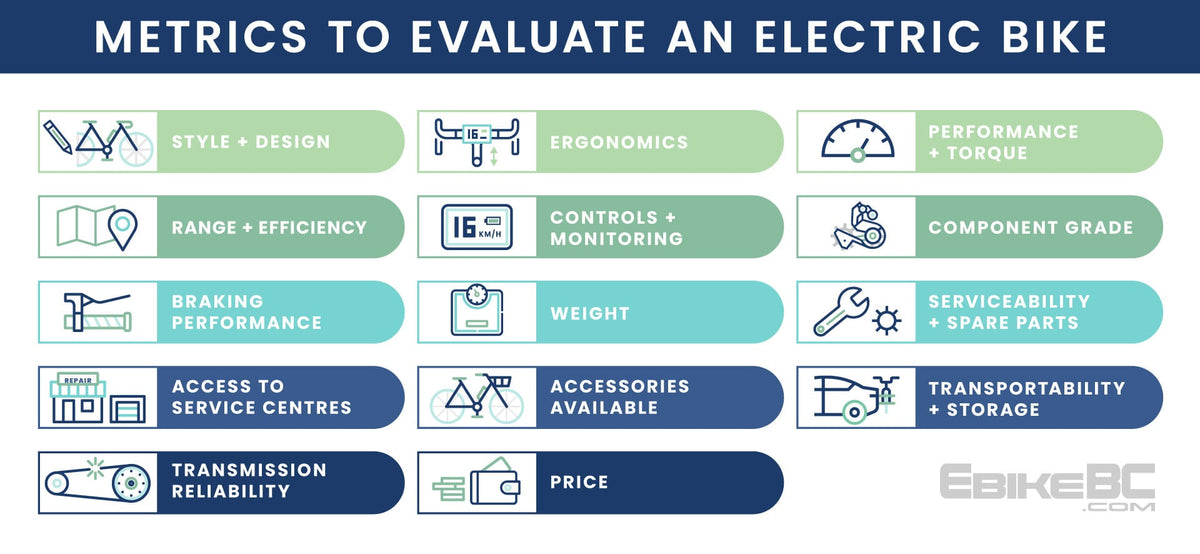
As e-bikes are heavier and faster than traditional bicycles, your safety depends entirely on your ability to stop. Hydraulic disc brakes are the gold standard for 2026.
Unlike mechanical rim brakes, hydraulic systems offer superior stopping power, consistency in wet weather, and require less hand pressure to engage. If you are looking at a high-speed e-bike or a cargo model, ensure it features four-piston hydraulic brakes to handle the increased momentum.
5. Weight and Frame Geometry
Weight is a major factor if you live in a walk-up apartment or need to lift your bike onto a rack. While e-bikes are inherently heavy due to the motor and battery, modern engineering has introduced lightweight alloy and carbon frames.
Consider the step-through vs. step-over frame design. Step-through frames are far more accessible for riders of all heights and mobility levels, especially when the bike is loaded with gear. Always check the bike’s maximum load capacity to ensure it can safely support your weight plus any cargo you intend to carry.
6. Suspension and Comfort
Suspension is not just for mountain bikers; it is a vital comfort feature for urban riders navigating potholes and uneven pavement.
Hardtail: Provides a front suspension fork, reducing wrist fatigue and improving steering control.
Full Suspension: Offers both front and rear shock absorption, essential for rough terrain or riders with back issues.
Rigid Forks: Found on ultra-light commuters, these are efficient but offer zero vibration dampening.
If you are commuting on rough city streets, prioritize at least 60mm to 80mm of front travel to protect your joints from repetitive impact.
7. Gearing Systems for Efficiency
The gearing system dictates how easily you can climb hills and how efficiently you can pedal at high speeds.
For high-quality e-bikes, look for Internal Gear Hubs (IGH) or high-end derailleur systems. IGH systems are virtually maintenance-free because the gears are sealed inside the hub, protecting them from dirt, grime, and weather. This is a game-changer for daily commuters who don’t want to spend their weekends cleaning and adjusting chains.
8. Display, Connectivity, and Integrated Tech
In 2026, your e-bike display is your cockpit. Look for a high-contrast, LCD or OLED display that remains visible in direct sunlight.
Top-tier models now offer Bluetooth connectivity, allowing you to sync your bike with a smartphone app for GPS navigation, ride tracking, and anti-theft features. Some premium bikes even come with integrated smart locks and GPS tracking modules, which are invaluable for urban security.
9. Warranty and Customer Support
A high-quality e-bike is only as good as the company backing it. Before purchasing, investigate the manufacturer’s warranty policy.
A reputable brand will offer at least two years of coverage on the motor, battery, and frame. Equally important is the availability of local service centers. If your bike requires a proprietary part that must be shipped from overseas, you could be without your primary mode of transportation for weeks. Always prioritize brands with a strong dealer network in your region.
10. The “Test Ride” Factor: Why It Is Non-Negotiable
You can read every review online, but nothing replaces the feeling of a test ride. The geometry of the frame, the sensitivity of the pedal assist, and the ergonomics of the handlebars must match your body type.
When test-riding, pay attention to:
Power engagement: Does the motor kick in smoothly, or does it lurch?
Noise levels: Is the motor quiet or high-pitched?
Handling: Does the bike feel stable at higher speeds?
Conclusion: Making the Smart Choice in 2026
Selecting a high-quality electric bike is a process of balancing your personal needs with the technical realities of the machine. By prioritizing the motor type, battery quality, braking systems, and after-sales support, you ensure that your e-bike remains a reliable partner for years to come.
Remember, the “best” bike is the one you actually enjoy riding. Do not let aggressive marketing distract you from the essentials. Test ride multiple models, consult with local shops, and choose a bike that fits your lifestyle today while offering the durability to handle your adventures tomorrow.
With the electric bike industry evolving at breakneck speed, 2026 is the perfect time to make the switch. Whether you are cutting down on carbon emissions, saving money on fuel, or simply looking to inject more joy into your daily commute, the right e-bike is waiting for you.