
As we settle into 2026, the battle for your living room remains as fierce as ever. If you are shopping for a new television, you have undoubtedly encountered the two heavyweights of the industry: OLED and QLED. While both promise breathtaking 4K and 8K visuals, they operate on fundamentally different principles.
Understanding the “OLED TV vs. QLED TV which display technology is better” debate requires looking past the marketing jargon. Whether you are a competitive gamer, a cinema enthusiast, or a casual streamer, the right choice depends on your specific environment and viewing habits.
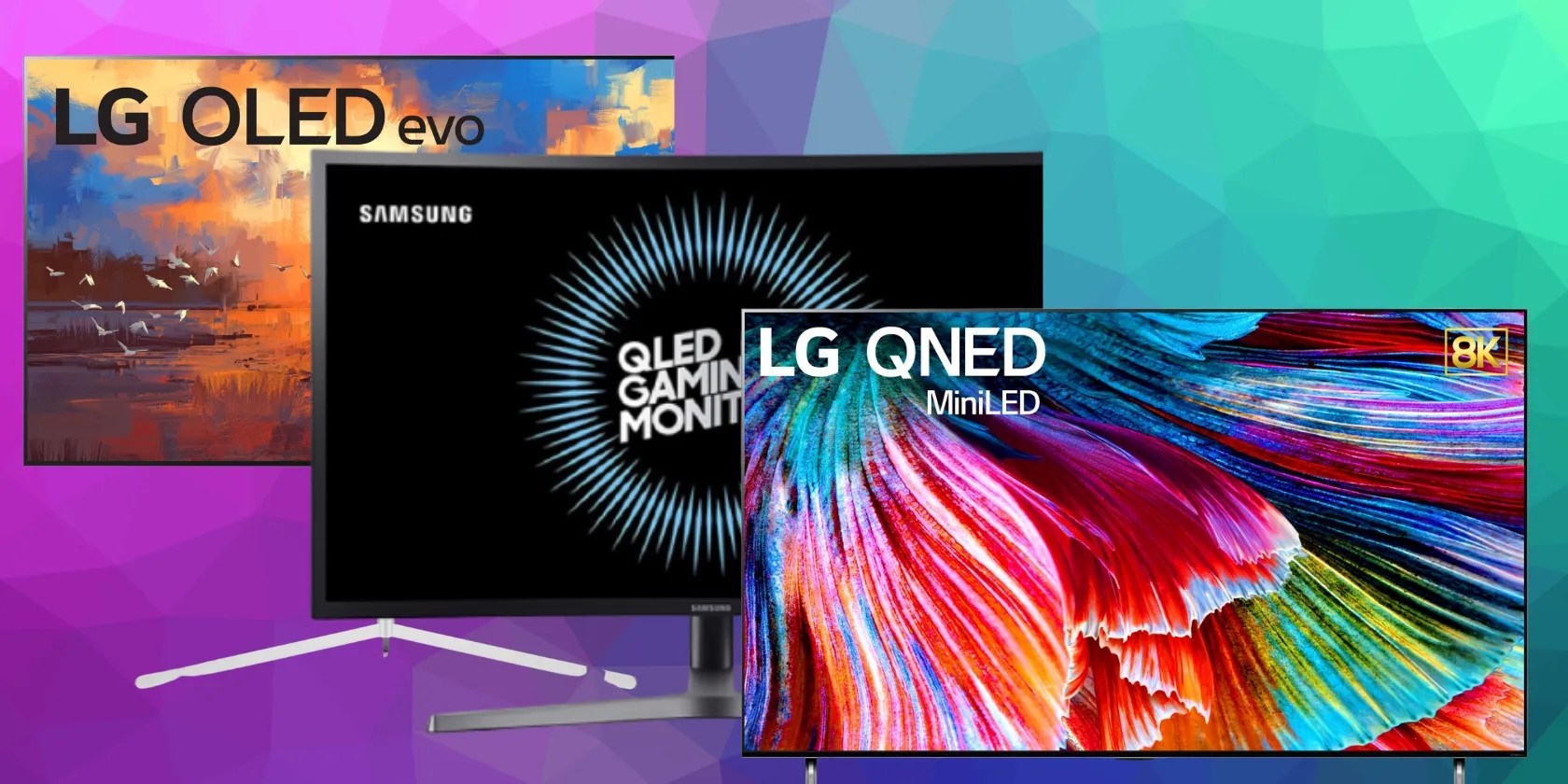
Understanding the Core Technology
To determine which tech is superior, we must first define how they produce light.
What is OLED?
OLED (Organic Light Emitting Diode) technology is self-emissive. This means every individual pixel creates its own light. When a pixel needs to show black, it simply turns off completely. This results in infinite contrast ratios and perfect black levels that QLEDs historically struggle to match.
What is QLED?
QLED (Quantum Dot LED) is an evolution of the traditional LCD panel. These TVs use an LED backlight that shines through a layer of quantum dots to enhance color accuracy and brightness. Because they rely on a backlight, they can achieve significantly higher peak brightness levels than OLEDs, making them ideal for bright rooms.

The Head-to-Head Comparison: Key Categories
When deciding between these two, consider how they perform in these critical areas:
1. Contrast and Black Levels
If you are a movie buff who prefers watching films in a darkened room, OLED is the undisputed champion. Because OLED pixels can turn off, there is zero light bleed. In contrast, QLEDs use “local dimming” zones. While modern 2026 QLED models have improved significantly with Mini-LED backlighting, they still cannot replicate the absolute, perfect blacks of OLED.
2. Brightness and Glare
This is where QLED shines—literally. If your TV is placed in a living room with large windows or heavy ambient light, QLED is often the better choice. QLED TVs can hit higher peak brightness levels, allowing them to cut through glare and maintain vibrant colors, whereas OLEDs may appear slightly dimmer in sun-drenched environments.
3. Burn-in Risk
Historically, “burn-in”—where static images leave a permanent ghost on the screen—was a major concern for OLED. However, in 2026, advancements in pixel-shifting and heat management have made burn-in a non-issue for the vast majority of users. While QLED is technically immune to burn-in, the gap between the two technologies has narrowed significantly.

Which One Should You Buy in 2026?
The “better” technology is subjective. Use this quick guide to make your decision:
- Choose OLED if: You prioritize cinematic quality, watch movies in dark rooms, want the best possible viewing angles, and demand the most accurate color reproduction.
- Choose QLED if: You have a bright living room, enjoy daytime sports, or want a high-performance TV that can withstand years of static gaming HUDs without even the slight theoretical risk of image retention.
The Role of Mini-LED
It is important to note that many top-tier QLEDs now utilize Mini-LED technology. By using thousands of tiny LEDs instead of a few large ones, these TVs offer much better contrast than older LCD models. If you want the best of both worlds—high brightness and deep blacks—a Mini-LED QLED is a fantastic middle-ground solution.
Final Verdict: Is There a Winner?
Ultimately, there is no single “best” TV. As industry experts often note, every model must be judged on its individual merits. While OLED remains the gold standard for image precision and black levels, the sheer brightness and durability of QLED make it a powerhouse for family living rooms.
As we look at the 2026 market, prices for both technologies have become more competitive than ever. Whether you choose the self-emissive brilliance of an OLED or the high-brightness impact of a QLED, you are likely to be impressed by the massive leap in picture quality compared to the displays of just a few years ago.