
Waking up with a stiff, aching neck is more than just a bad start to the day—it is a signal that your sleep setup is failing you. In 2026, sleep technology has advanced significantly, yet the fundamental requirement for neck pain relief remains the same: proper spinal alignment. If your head, neck, and spine aren’t in a neutral position while you sleep, your muscles spend the entire night fighting gravity, leading to chronic tension.
Choosing the right pillow for neck pain isn’t about buying the most expensive option on the market; it is about understanding your unique biomechanics. Whether you are a side, back, or stomach sleeper, your pillow acts as the bridge between your mattress and your head. Here is how to navigate the 2026 market to find your perfect match.
Why Your Pillow Is the Culprit Behind Your Neck Pain
Physiotherapists consistently emphasize that the primary goal of any pillow is to maintain the cervical spine’s natural curve. If a pillow is too high, it pushes your neck into an unnatural flexed position. If it is too low, your neck lacks the necessary support, causing it to tilt downward.
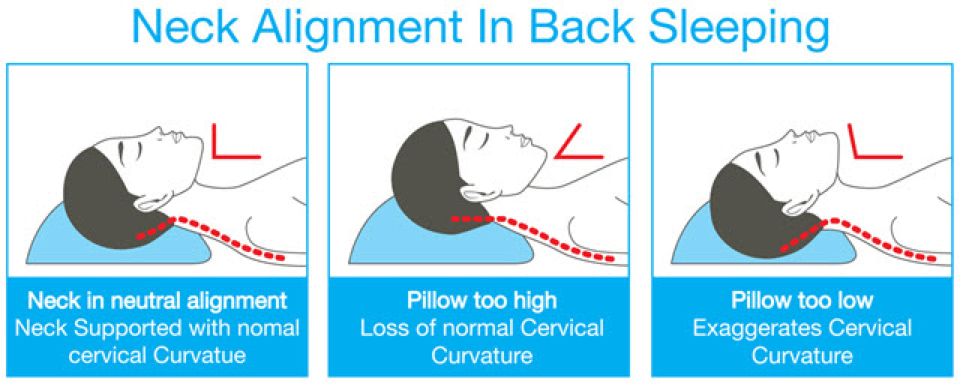
Brendan McGreevy, DPT, notes that “the perfect pillow should fill the gap between the mattress and your neck without forcing your head out of alignment.” When your spine is aligned, your muscles can finally relax, promoting restorative sleep and reducing inflammation in the cervical region.
Finding Your Pillow Based on Sleep Position
Your sleeping position is the most critical factor in determining the firmness and loft (height) of the pillow you need.
1. Side Sleepers: The Need for Height
Side sleepers have the largest gap to fill between their shoulder and the mattress. You need a firm, high-loft pillow that provides consistent support under the neck while cradling the head. Memory foam or latex pillows are often the best choice here because they hold their shape throughout the night.
2. Back Sleepers: The Need for Contouring
If you sleep on your back, you require a medium-loft pillow that supports the natural curve of the neck without pushing your head forward. Look for contoured orthopedic pillows that feature a “neck roll” or a dip in the center, which gently cradles the head while keeping the neck elevated.
3. Stomach Sleepers: The Need for Minimal Loft
Stomach sleeping is generally discouraged by physical therapists because it forces the neck to rotate at an extreme angle. If you cannot change this habit, you must use a very thin, soft pillow—or even no pillow at all—to keep your spine as flat as possible.

Material Matters: What to Look for in 2026
Modern materials have revolutionized comfort, but they serve different purposes for pain relief. Here is what you should consider when shopping:
- Memory Foam: Excellent for pressure point relief. It molds to the shape of your neck, offering customized support that adapts to your body heat.
- Latex: A more responsive and breathable option. Unlike memory foam, it has a “bouncy” feel and is naturally hypoallergenic and resistant to dust mites.
- Shredded Foam: This allows you to adjust the loft by removing or adding filling. It is a fantastic choice if you aren’t sure exactly how much height you need.
- Down Alternative: These are typically softer and better suited for stomach sleepers who need minimal resistance and maximum comfort.
Expert Tips for Testing Your New Pillow
Don’t just buy a pillow and hope for the best. When testing a new product, use the “Mirror Test.” Have a partner look at you while you are lying on your side or back. Your nose should be in line with the center of your chest. If your head is tilted toward the ceiling or slumped toward the mattress, the loft is incorrect.

Furthermore, ensure your mattress isn’t the real problem. A pillow can only do so much; if your mattress is sagging, your entire body alignment will be compromised regardless of the pillow you use. In 2026, many high-end pillows offer trial periods—take advantage of these to ensure the pillow provides long-term relief rather than just temporary comfort.
Conclusion: Investing in Your Spinal Health
Relieving neck pain is a journey that starts with the right equipment. By prioritizing spinal alignment, proper loft, and supportive materials, you can wake up feeling refreshed rather than stiff. Remember, there is no “one-size-fits-all” solution. Listen to your body, analyze your sleep position, and don’t be afraid to try adjustable options that allow you to fine-tune your support. Your neck—and your overall quality of life—will thank you for it.