Discovering Your Career Roadmap: 5 Steps to Strategic Exploration
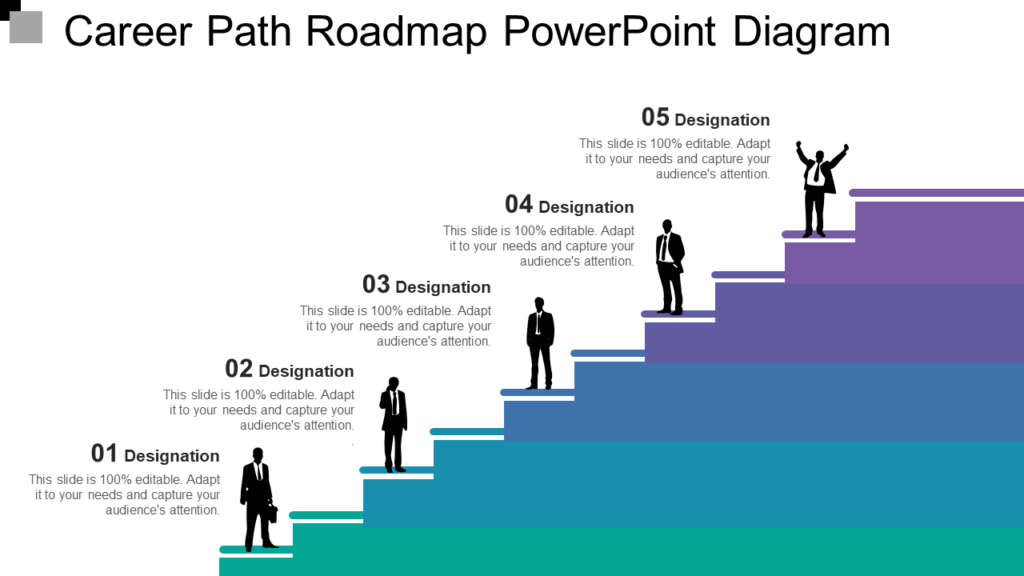
Embarking on a career journey can feel like navigating a vast and uncharted ocean. With countless pathways available, from corporate cubicles to creative freelancing, choosing the right direction can be overwhelming. However, by developing a personalized career roadmap, you can transform this uncertainty into clarity and purpose. This comprehensive guide outlines five strategic steps to help you explore, evaluate, and excel in your career.
Step 1: Self-Assessment – Know Thyself
Before you can chart your career course, it’s essential to understand where you’re starting from. Self-assessment involves reflecting on your interests, strengths, values, and personality traits. This introspective process lays the foundation for informed decision-making.
Key Questions for Self-Assessment:
| Category | Questions |
|---|---|
| Interests | What activities do I enjoy? What topics capture my attention? |
| Strengths | What skills do I excel at? What tasks bring me satisfaction? |
| Values | What principles are important to me in my career? What motivates me? |
| Personality | Am I more of a leader or a team player? Do I thrive in structured environments? |
Utilizing tools such as personality tests (like Myers-Briggs or Enneagram) and interest inventories (such as Holland’s Code) can provide insights that guide your exploration.
Step 2: Research Career Pathways – Explore the Terrain
With a clear understanding of yourself, the next step is researching potential career pathways that align with your assessment. This exploration allows you to identify roles that match your skills and aspirations while highlighting industries and sectors of interest.
Effective Research Strategies:
- Online Resources: Utilize platforms like LinkedIn and Glassdoor to glean insights into various professions. Read about job descriptions, responsibilities, and required skills.
- Networking: Connect with professionals in your fields of interest for informational interviews. These conversations can reveal practical insights and help expand your understanding of potential career paths.
- Industry Trends: Stay updated on market trends and emerging fields. Understanding industry growth and decline can help you make informed decisions about your future.
Step 3: Set SMART Goals – Map the Journey
Once you’ve identified potential career paths, it’s time to set SMART (Specific, Measurable, Achievable, Relevant, Time-bound) goals that will guide your journey. Goal setting is crucial for maintaining focus and accountability.
Example of SMART Goals:
| Goal | Example |
|---|---|
| Specific | "I want to become a project manager in tech." |
| Measurable | "I’ll complete a certification in project management within six months." |
| Achievable | "I will dedicate 4 hours a week to study." |
| Relevant | "This certification aligns with my career aspirations." |
| Time-bound | "I will apply for project management positions by the end of the year." |
By establishing clear goals, you can systematically work towards your desired career.
Step 4: Skill Development – Build Your Toolkit
Once your goals are in place, focus on acquiring the necessary skills to achieve them. This step involves both formal education and informal learning. Continuous development enhances your employability and makes you more competitive in the job market.
Strategies for Skill Development:
- Courses and Certifications: Enroll in relevant courses, both online (through platforms like Coursera or Udemy) and in-person, to gain formal qualifications.
- Workshops and Seminars: Attend industry-specific workshops to sharpen your skills while networking with like-minded individuals.
- Volunteer Work or Internships: Gaining practical experience through internships or volunteer opportunities can provide hands-on learning and valuable insights into your chosen field.
Step 5: Evaluate and Adjust – Stay Agile
As you progress on your career roadmap, regularly evaluate your journey. This reflection allows you to assess whether you are on the right path and make adjustments as needed.
Self-Evaluation Techniques:
- Set Checkpoints: Periodically review your goals and progress (monthly or quarterly) to determine if you are on track.
- Seek Feedback: Engage with mentors, peers, and supervisors to gain insights about your performance and areas for improvement.
- Stay Flexible: Be open to changing your path as new opportunities arise or as your interests evolve. The job market is dynamic, and adaptability can lead to unexpected and rewarding career paths.
Conclusion
Discovering your career roadmap is a journey of continuous exploration and growth. By following these five strategic steps—self-assessment, researching career pathways, setting SMART goals, skill development, and evaluation—you can create a personalized roadmap that aligns with your aspirations and leads to a fulfilling career. Remember, your career path is as unique as you are; embrace the journey, stay curious, and allow your roadmap to evolve with you.
Additional Information
Discovering Your Career Roadmap: 5 Steps to Strategic Exploration
Navigating the professional landscape can be a complex journey, often requiring a clear and strategic approach to ensure that your career aligns with your passions, values, and ultimately, your aspirations. Designing your career roadmap is an essential part of this process, and it can be effectively approached through five key steps. Below is an analysis of these steps, informed by recent insights and best practices in career development.
Step 1: Establish Your Starting Point
Understanding where you currently stand in your career is crucial. This involves conducting a thorough self-assessment to identify your skills, interests, experiences, and values. Reflect on the following:
- Experience and Skills: What have you learned from your past roles? What skills do you possess that set you apart?
- Values and Interests: Consider what matters most to you in your career. Is it job satisfaction, salary, work-life balance, or opportunities for advancement?
- Current Position: Analyze your current role within your industry and assess the skills or knowledge gaps you may have.
This foundational understanding will not only clarify your existing capabilities but also provide a baseline for setting future goals (Source 7).
Step 2: Define Your Career Goals
Once you have established your starting point, the next step is to articulate your career goals. These should be specific, measurable, achievable, relevant, and time-bound (SMART). Consider:
- Short-term Goals: What do you want to accomplish in the next year? This might involve acquiring specific skills or transitioning into a new role.
- Long-term Goals: Where do you see yourself in five to ten years? Visualize the industry, role, or level of responsibility you aim to achieve.
Setting clear goals helps create a focused roadmap and identifies the skills and experiences needed to move from your current position to your desired role (Sources 1, 5).
Step 3: Explore Career Pathways
After defining your goals, it’s essential to explore potential career pathways that align with them. This exploration process includes:
- Researching Industries and Roles: Investigate various industries and their job offerings that resonate with your goals and aspirations. Use platforms like LinkedIn to understand job requirements and industry trends (Source 3).
- Networking: Engage with professionals in your desired fields through informational interviews, industry conferences, or social media groups. Networking can reveal insights into potential career paths and open doors to opportunities.
- Mentorship: Seek guidance from mentors who can offer valuable perspectives on navigating your career pathway (Source 7).
This stage is vital as it provides exposure to the realities of different career paths and helps in making informed decisions (Source 4).
Step 4: Skill Development and Gaining Experience
Equipped with clarity about your career path, the next step is to focus on skill development and gaining relevant experience. This could involve:
- Education and Training: Depending on your goals, you may need to pursue additional education or training programs.
- Volunteering or Internships: Gaining hands-on experience through internships or volunteer opportunities can help build your resume and expand your skill set (Source 6).
- Certifications and Online Courses: Utilize online learning platforms to acquire skills pertinent to your desired career (Source 1).
Skill development is an ongoing process that should be tailored to your evolving career needs and market demands.
Step 5: Evaluation and Adjustment
The final step of your career roadmap should include continuous evaluation and adjustment. As you progress, periodically revisit your goals and assess:
- Progress Tracking: Are you moving toward your defined career goals? What milestones have you reached?
- Feedback: Seek feedback from peers, mentors, or supervisors to gain insights about your performance and areas for improvement.
- Readjust Goals if Necessary: The professional landscape is dynamic, and it may be necessary to redefine your goals based on experiences or changes in your interests.
Regular evaluation ensures that your career roadmap remains aligned with your personal and professional growth (Sources 2, 5).
Conclusion
Creating a personalized career roadmap is a strategic process that requires introspection, goal-setting, exploration, skill development, and continuous evaluation. By following these five steps, you can navigate your career journey with a clear sense of direction, increasing the likelihood of achieving a fulfilling and meaningful professional life. Embrace the journey of career exploration as a dynamic and adaptable process that evolves with you.