
In 2026, the way we sleep is undergoing a massive transformation. We are no longer just looking for “comfort”; we are demanding transparency, sustainability, and non-toxic materials that contribute to our long-term wellness. With the average person spending roughly 26 years of their life in bed, choosing the right mattress is arguably the most significant health investment you will make this decade.
As the sleep industry evolves, so does the complexity of marketing. Terms like “green,” “eco-friendly,” and “natural” are often used loosely. To truly select a sustainable and healthy mattress, you must look past the buzzwords and dive into the supply chain. This guide will help you navigate the 2026 market to find a sleep surface that protects both your spine and the planet.
1. Decoding Mattress Certifications: What to Look For
The most reliable way to identify a truly healthy mattress is through independent third-party certifications. In 2026, if a brand claims to be organic but lacks documentation, proceed with extreme caution. You should prioritize mattresses that hold the following gold-standard labels:
GOTS (Global Organic Textile Standard): This ensures the fibers—like cotton and wool—are processed according to strict organic standards from harvest to finished product.
GOLS (Global Organic Latex Standard): Specifically for latex, this certification guarantees that the rubber is sourced from organic plantations and processed without toxic chemicals.
GREENGUARD Gold: This certification tests for low chemical emissions, ensuring your mattress doesn’t contribute to poor indoor air quality through off-gassing.
OEKO-TEX Standard 100: This label confirms that every component of the mattress, including zippers and threads, has been tested for harmful substances.
By prioritizing these certifications, you avoid the “greenwashing” traps that plague the modern furniture industry. Brands like Naturepedic have set the bar high by eliminating polyurethane foam, flame retardants, and fiberglass entirely, opting instead for cleaner, safer alternatives.
2. Materials Matter: Why Natural Latex and Organic Fibers Win
When searching for the best sustainable mattress, the composition of the layers is your primary indicator of quality. Traditional memory foam is petroleum-based and often contains volatile organic compounds (VOCs). In 2026, the shift toward natural latex and organic wool is more than just a trend; it is a health necessity.
The Benefits of Natural Latex
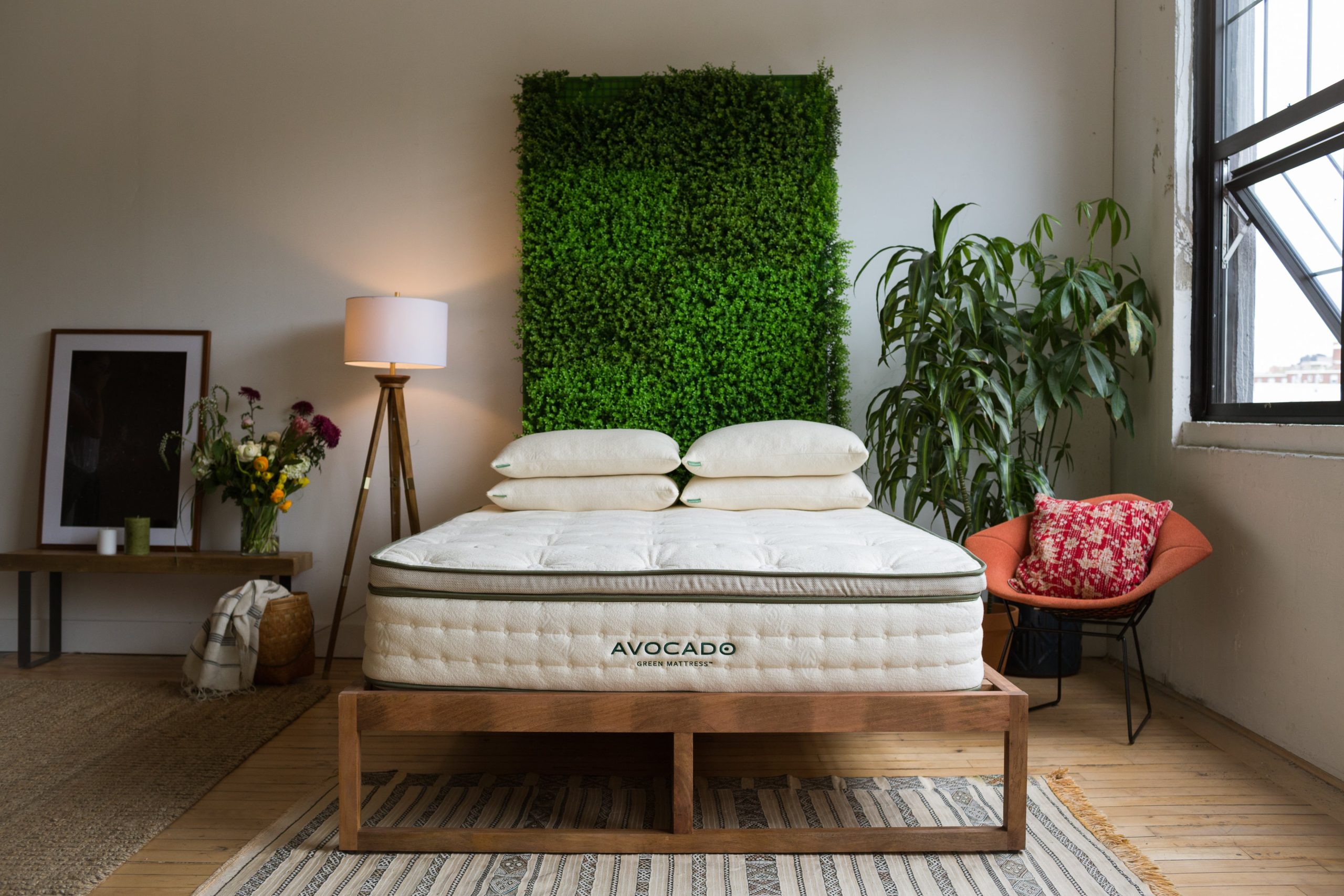
Natural latex, derived from the sap of the Hevea brasiliensis tree, is incredibly durable and inherently resistant to dust mites and mold. Unlike memory foam, which retains body heat, latex is naturally breathable, providing a cooling effect that is vital for deep REM sleep. Furthermore, mattresses from companies like Avocado utilize individually encased coils paired with this latex to provide zoned support, which promotes healthy spinal alignment without the “sinking” feeling of synthetic foam.
The Role of Organic Wool
Wool acts as a natural fire barrier, which allows manufacturers to avoid using toxic chemical flame retardants. It is also an exceptional moisture-wicker, helping to regulate your body temperature throughout the night. When you choose a mattress that uses GOTS-certified wool, you are choosing a material that is biodegradable, renewable, and hypoallergenic.
3. The Human Story: Supporting Brands with Purpose
Behind every great sustainable mattress is a story of necessity. Many of the most respected brands in the 2026 market were born from a desire to solve a specific health problem. For instance, My Green Mattress was founded by a father searching for a solution for his daughter’s eczema and allergies. This personal commitment to purity often results in a higher quality control process than mass-produced, big-box store alternatives.
When you shop with companies like Savvy Rest, you are not just buying a product; you are supporting a mission of transparency. These brands allow you to customize your firmness levels by swapping layers, which increases the lifespan of the mattress. A mattress that lasts 15 years instead of 7 is inherently more sustainable, as it reduces the volume of discarded materials ending up in landfills.
4. Avoiding Hidden Toxins: Fiberglass and Flame Retardants
One of the most critical aspects of selecting a healthy mattress in 2026 is avoiding the “hidden” dangers. Many budget-friendly mattresses use fiberglass as a cheap fire retardant. If the outer cover is removed or damaged, this glass-like material can leak out, causing skin irritation, respiratory issues, and severe damage to your home’s air quality.
Always look for a “fiberglass-free” label. Similarly, be wary of “polyurethane foam,” which is often the source of that “new mattress smell”—a process known as off-gassing. This chemical odor is actually the release of gases from VOCs. A truly healthy mattress should have little to no scent upon unboxing. If you are sensitive to chemicals, choosing a mattress made from organic cotton, wool, and natural latex is the safest path to a toxin-free bedroom.
5. Sustainability Beyond the Mattress
Selecting a sustainable mattress isn’t just about the materials inside; it’s about the company’s environmental footprint. In 2026, leading brands are adopting circular economy practices. This includes:
Carbon Neutral Shipping: Companies that offset the carbon footprint of delivering a heavy mattress to your door.
Responsible Sourcing: Ensuring the latex is harvested from plantations that protect biodiversity and provide fair wages to workers.
Recycling Programs: Some manufacturers now offer take-back programs to ensure that your old mattress is properly recycled or repurposed rather than dumped in a landfill.
By researching a company’s Corporate Social Responsibility (CSR) report, you can gain insight into their commitment to the planet. A brand that focuses on sustainable packaging—using recycled cardboard instead of plastic wrap—is a strong indicator of a company that prioritizes the environment at every stage of the product lifecycle.
6. How to Test for Comfort and Support
Even the most sustainable mattress is a poor choice if it doesn’t support your sleep style. In 2026, the “one-size-fits-all” mattress model is being replaced by modular, customizable designs.
Side Sleepers: Generally require a softer, more pressure-relieving surface to keep the shoulders and hips aligned.
Back Sleepers: Typically benefit from a medium-firm feel that provides enough lumbar support to maintain the natural curve of the spine.
Stomach Sleepers: Need a firmer surface to prevent the hips from sinking, which can cause lower back pain.
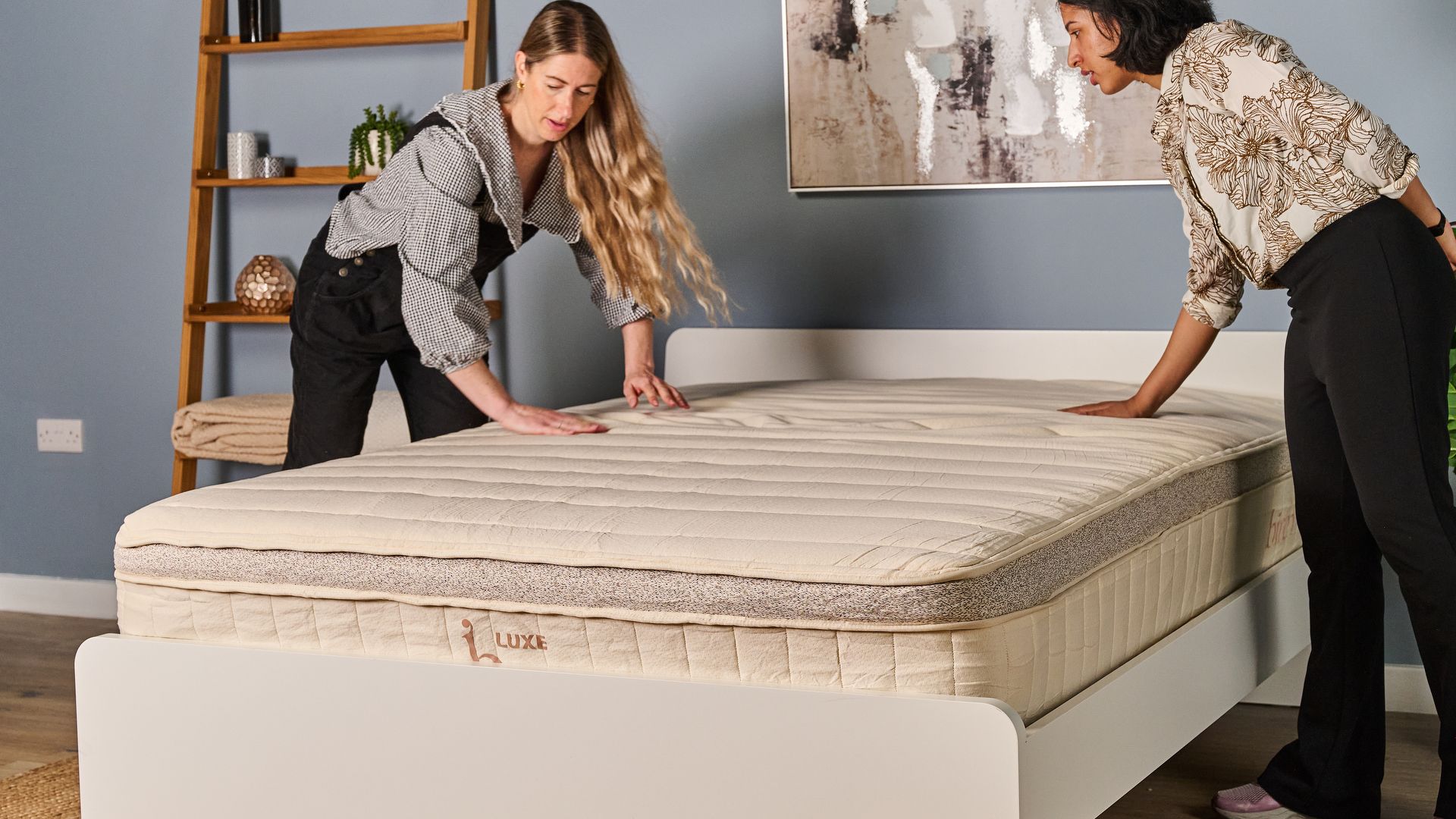
Many organic brands now offer “sleep trials” that last 100 days or more. Use this time. Your body may need a few weeks to adjust to the difference between a synthetic foam mattress and a natural, supportive organic one. Pay attention to how you feel when you wake up—are you stiff? Do you feel refreshed? The right sustainable mattress should feel like an extension of your body, not a foreign object you have to fight against.
The Future of Sleep is Organic
As we move further into 2026, the choice to go organic is becoming easier and more accessible. We are moving away from the era of disposable, chemical-laden furniture and into an era of intentional, high-quality sleep architecture. By focusing on GOTS-certified materials, verifying the absence of fiberglass, and supporting brands with a proven track record of transparency, you can rest easy knowing your sleep environment is as healthy as it is sustainable.
Remember, your mattress is the foundation of your health. When you invest in non-toxic, high-quality materials, you aren’t just buying a bed; you are investing in your long-term vitality, energy, and peace of mind. Take the time to research, look for the certifications, and choose a mattress that aligns with your values. Your body—and the planet—will thank you for it.