
Investing in a high-quality suitcase is no longer just about aesthetics; it is about protecting your belongings in an era of high-frequency travel. As we navigate the travel landscape of 2026, luggage technology has evolved significantly. From self-healing fabrics to aerospace-grade alloys, the options are vast, making the selection process overwhelming for the average traveler, especially when considering the specific needs for carry-on vs. checked luggage.
Whether you are a digital nomad, a business traveler, or a vacationer, choosing the right gear is the difference between a seamless trip and a travel nightmare. In this guide, we break down the definitive ways to find and select the most durable luggage in 2026, backed by expert testing and industry-leading performance standards.
Why Durability Matters in 2026
In 2026, baggage handling systems and travel conditions have become more rigorous, often compounded by strict airline baggage policies and size restrictions. Frequent flyers know that a suitcase undergoes immense physical stress, from being tossed onto conveyor belts to enduring extreme temperature fluctuations in cargo holds.
Durability is the primary metric for value. A suitcase that lasts ten years is infinitely cheaper than a “budget” bag that breaks after two trips. When shopping this year, durability is defined by three pillars: structural integrity, material resilience, and component longevity.
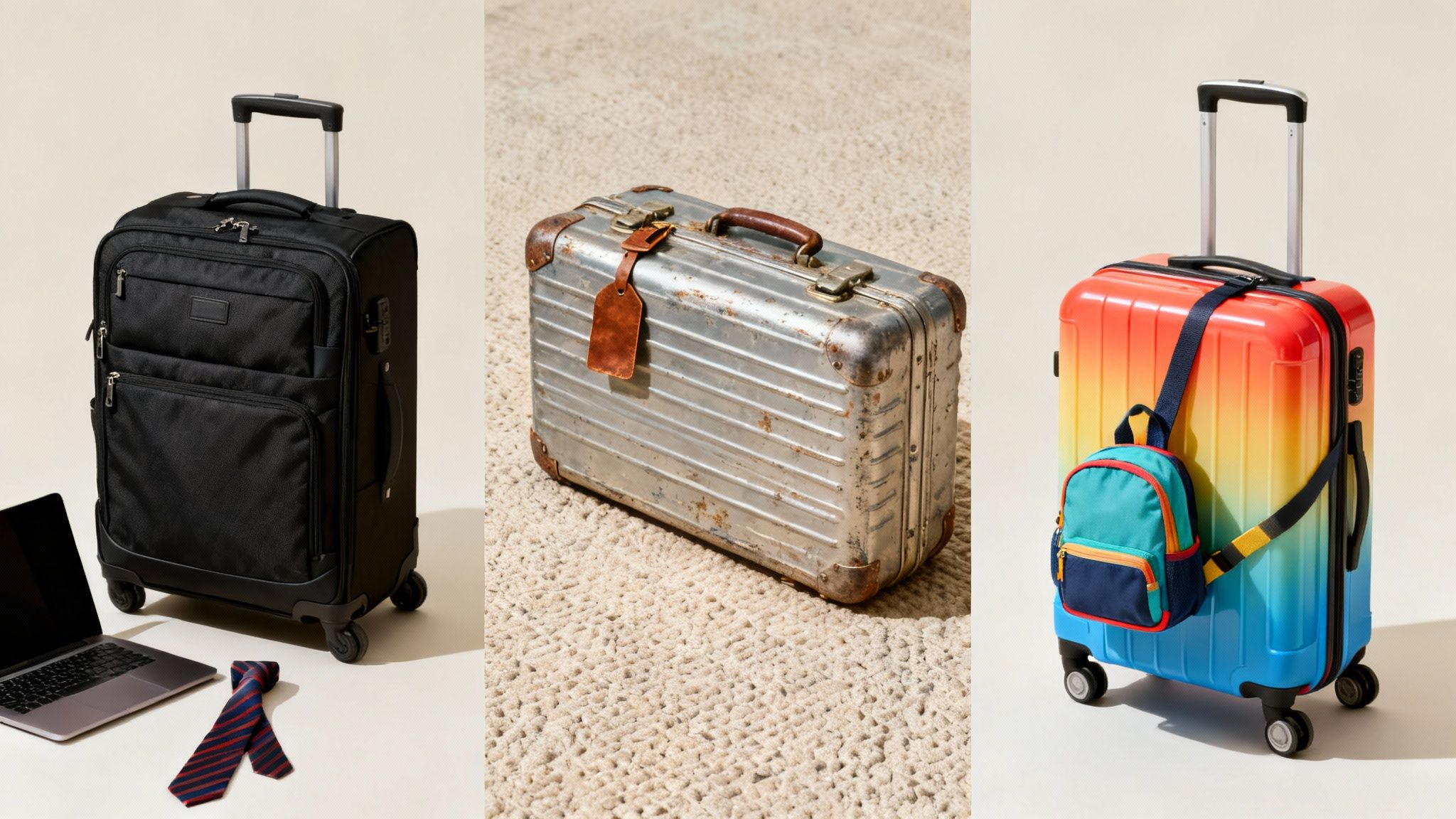
Decoding Materials: What Actually Lasts?
The material of your luggage is the first line of defense. In 2026, we have moved beyond basic plastics into high-performance composites.
1. Polycarbonate vs. Aluminum
For hard-shell enthusiasts, 100% Virgin Polycarbonate remains the gold standard. Unlike recycled plastic, virgin polycarbonate is highly flexible, allowing it to absorb impacts without cracking and offering excellent impact resistance. If you prioritize maximum protection for fragile items, aerospace-grade aluminum is the undisputed champion. While heavier, it is virtually indestructible, boasts superior scratch resistance, and offers enhanced security against theft. The quest for lightweight durability continues to drive innovation in both materials.
2. Ballistic Nylon and Recycled Synthetics
For soft-shell lovers, Ballistic Nylon (specifically 1680D grade) continues to dominate. It is resistant to abrasions, tears, and water, often enhanced with water-repellent coatings for truly weather-resistant luggage. However, keep an eye out for 2026 innovations in recycled high-density polyester, which offers near-identical durability with a significantly lower carbon footprint.
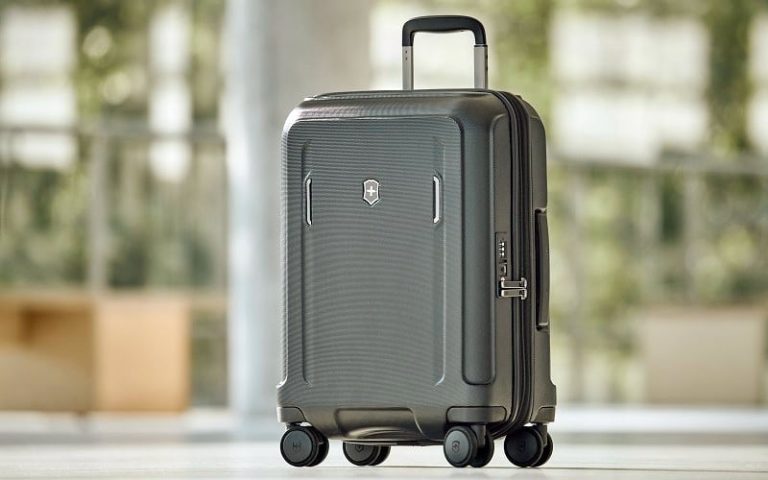
The Anatomy of Durability: Components You Can’t Ignore
A suitcase is only as strong as its weakest point. When evaluating luggage in 2026, pay close attention to these three critical components:
The Wheel System: Look for 360-degree Hinomoto wheels or high-grade polyurethane wheels with sealed ball bearings, common in premium spinner luggage. For those preferring two-wheel luggage, ensure the wheels are robust and recessed. They should feel silent and smooth. In 2026, the best brands offer user-replaceable wheel modules, ensuring that a single broken wheel doesn’t retire your entire suitcase.
The Zipper Technology: Zippers are the most common failure point. Look for YKK RC (Racquet Coil) zippers, which are puncture-resistant and designed to withstand heavy tension. Many durable bags also feature TSA-approved locks or other integrated security features directly into the zipper pulls or frame. If you opt for a zip-less design, ensure the frame-locking mechanism is made from reinforced metal, not flimsy plastic.
Telescoping Handles: The handle should have minimal “wobble” when fully extended. Look for handles made from anodized aluminum rather than standard steel, as they offer the perfect balance of lightweight performance and rigidity. An ergonomic design with a comfortable grip also contributes significantly to ease of use and overall comfort features during travel.
How to Test Luggage Before You Buy
You don’t need a lab to test your luggage, but you do need a critical eye. If buying in-store, perform the “stress test”:
- The Flex Test: Press down on the center of a hard-shell suitcase. It should flex and return to its original shape without making a “crunching” sound.
- The Handle Tug: Extend the handle and pull the bag side-to-side. If it feels flimsy or rattles excessively, move on.
- The Zipper Glide: Open and close the main compartment multiple times. It should glide without catching, even around corners.
For those shopping online, rely on the 2026 comparative testing reports from reputable sources like GearLab and Forbes Vetted. These reports provide side-by-side analyses that go beyond marketing fluff, showing you how these bags actually perform after weeks of field testing.
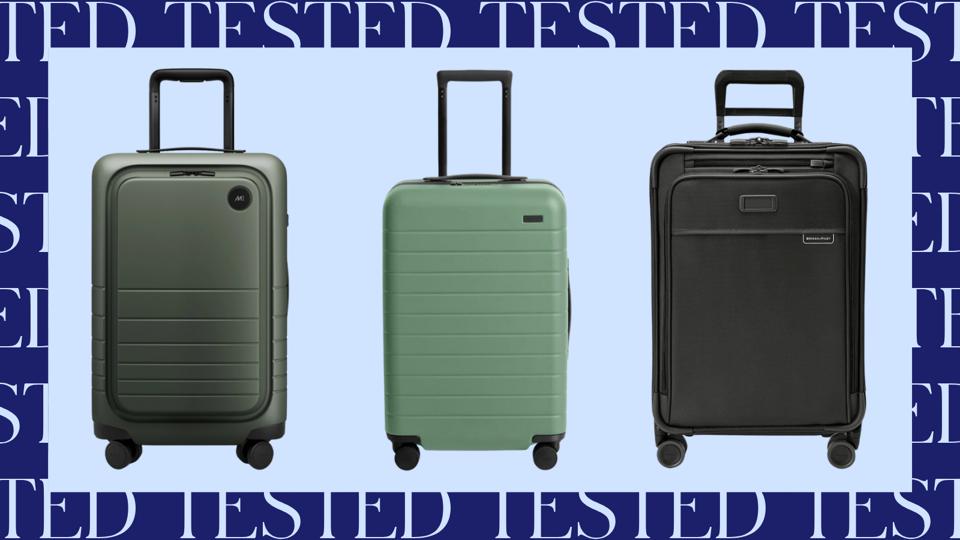
The Importance of Warranty and Customer Support
Even the most durable luggage can suffer from a freak accident. In 2026, a lifetime warranty is a non-negotiable feature for top-tier luggage brands.
When evaluating a warranty, look for:
Comprehensive Coverage: Does it cover wheels, handles, and zippers?
Ease of Repair: Are there authorized repair centers near you, or do they provide a simple mail-in process?
Sustainability: Brands that offer repair parts (rather than just replacing the whole bag) are not only more sustainable but usually indicate a higher confidence in their product’s build quality.
Top Recommendations for 2026
Based on the latest travel expert evaluations and field tests, several brands have distinguished themselves as the leaders in durability this year.
Samsonite and Away
These brands continue to dominate the market by balancing price and performance. For the average traveler, their 2026 lines offer the best “cost-per-use” ratio.
Luxury Contenders
Brands like Rimowa and Victorinox remain the gold standard for those who prioritize materials. If you travel over 100 times a year, the investment in these premium aluminum or reinforced polycarbonate bags will pay for itself in longevity.
The “Budget” Gems
Don’t be fooled by high price tags. Many boutique brands are now using the same factories as the “big names,” offering similar levels of durability for a fraction of the cost. For eco-conscious travelers, some emerging sustainable luggage brands are also offering impressive durability. Always check the verified user reviews from 2026 to see if a budget bag holds up after six months of heavy use.
Strategic Packing for Long-Term Luggage Health
Your luggage’s lifespan isn’t just about the bag; it’s about how you treat it. Overpacking is the number one cause of zipper failure and structural stress.
Use Packing Cubes: These distribute weight evenly and prevent items from shifting and putting pressure on the suitcase frame.
Avoid Overstuffing: If you have to sit on your suitcase to close it, you are damaging the integrity of the zippers and the frame.
Clean and Maintain: After every major trip, wipe down the wheels to remove debris and check the telescoping handle for grit. A little maintenance goes a long way.
Conclusion: Making the Right Choice in 2026
Finding the most durable luggage in 2026 requires a blend of research, material knowledge, and an understanding of your own travel style. By focusing on 100% Virgin Polycarbonate or Ballistic Nylon, insisting on YKK zippers, and prioritizing brands with robust lifetime warranties, you can ensure your gear survives the next decade of adventures.
Don’t let a broken suitcase ruin your travel experience. Invest in quality, maintain your gear, and choose a bag that is built to withstand the rigors of the modern world. Happy travels!
Focusing on Wheels and Handles: The Unsung Heroes of Luggage Durability
While the shell material and zippers grab headlines, the true workhorses that often determine a suitcase’s longevity are its wheels and telescopic handle system. These components endure immense stress, from cobblestone streets to hurried dashes through airports, and are frequently the first points of failure in lesser-quality bags. Ignoring their construction is a common oversight that can lead to premature luggage demise.
Wheel Systems: Glide or Grind?
For wheels, look beyond just “spinner” or “two-wheel” functionality. The material of the wheels themselves is paramount. High-quality luggage employs wheels made from polyurethane or rubberized materials, which offer superior shock absorption, quieter rolling, and significantly better resistance to abrasion and cracking compared to hard plastic wheels. These are often paired with sealed ball bearings, similar to those found in skateboards, ensuring a remarkably smooth glide and preventing grit, sand, and grime from seizing the mechanism. This attention to detail dramatically reduces friction and wear, extending the life of the wheels.
Attachment Method: How are the wheels attached to the suitcase body? Wheels that are bolted on from the inside (often with a reinforced plate or housing) are significantly more durable and repairable than those merely riveted or screwed onto the exterior shell. External, exposed wheel housings are also inherently more vulnerable to impact damage during baggage handling. Some premium brands even offer recessed wheel designs that tuck the wheels slightly into the body of the suitcase, providing an extra layer of protection against direct impacts and shearing forces during transit. This small design choice can make a huge difference in preventing catastrophic wheel failure.
Number and Size: While four-wheel spinners offer unparalleled 360-degree maneuverability in airports and smooth surfaces, larger, more robust wheels (often seen on two-wheel uprights or specialized adventure luggage) can handle rougher terrain, cobblestones, and uneven sidewalks with greater ease and less strain on the wheel assembly. Consider your primary travel environment: if you frequently navigate urban landscapes with uneven surfaces, larger, more protected wheels are a definite advantage.
Telescopic Handles: Stability Under Pressure
The telescopic handle is another critical point of contact and stress, constantly being extended, retracted, and used to lift and pull heavy loads. A wobbly or flimsy handle is not just annoying; it’s a clear sign of impending failure.
Material and Construction: Durable handles are typically made from aircraft-grade aluminum, often featuring multiple stages (e.g., three-stage rather than two-stage) and a sturdy, wide grip. The aluminum tubes should feel thick and robust, not thin and easily bendable. Avoid handles with excessive play, rotational wobble, or noticeable flex when fully extended. Test it in the store: Extend it fully and give it a gentle shake and some downward pressure. It should feel solid, not like it’s about to detach or buckle under minimal stress. The locking mechanism for the extension should also be smooth and secure, without sticking.
Mounting: Similar to wheels, the handle’s mounting system is crucial. Handles that are internally mounted and secured with multiple screws or bolts to a reinforced internal frame or chassis are far more resilient than those simply attached to the exterior shell with minimal fasteners. Exposed handle tubes on the exterior are also susceptible to damage from impacts or snagging.
Ergonomics: Beyond sheer durability, an ergonomic handle that fits comfortably in your hand and allows for easy maneuvering, even when the bag is heavy, contributes to a better overall travel experience and reduces undue strain on the handle itself. A comfortable grip encourages proper handling, further contributing to the handle’s longevity.
Beyond the Shell: The Importance of Internal Structure and Reinforcement
Durability isn’t just skin deep. What’s inside and how everything is connected plays a monumental role in a bag’s ability to withstand abuse and maintain its form under pressure.
Frame and Chassis: Many hardside suitcases, especially those designed for extreme durability, incorporate an internal frame or chassis. This internal skeleton, often made of lightweight aluminum or a high-strength polymer, provides crucial structural integrity, prevents the shell from flexing excessively under pressure, and acts as a backbone for attaching other components like wheels and handles. This internal support is vital for protecting contents and maintaining the bag’s shape, even when subjected to significant external forces. Softside luggage often uses a more flexible internal frame or robust paneling and reinforcement in key areas to achieve similar structural benefits, preventing sagging and maintaining form.
Reinforced Stress Points: Look for clear evidence of reinforcement at common stress points. This includes extra stitching or material layering around zipper attachments, handle bases, wheel housings, and corners. Corner guards, often made of rubber, impact-resistant plastic, or even integrated into the shell design, are excellent indicators of a brand’s commitment to preventing common wear and tear. These small additions significantly extend the life of a suitcase by absorbing impacts that would otherwise damage the main body or compromise the integrity of seams. Double-stitching or bar-tacking on seams and straps are also signs of superior construction.
Lining and Interior Components: While the exterior takes the brunt of travel, a durable interior lining made from tear-resistant nylon or polyester (often 210D or higher denier, indicating fabric density and strength) will prevent rips and snags, keeping your belongings secure and the bag’s internal organization intact. Poor-quality linings can quickly tear, allowing items to get caught in zippers or mechanisms, compromising the bag’s functionality. Well-made interior compression straps and dividers also contribute to the bag’s overall structural integrity by preventing contents from shifting excessively, which can put undue stress on the shell, zippers, and internal components. Effective internal organization features are key to maximizing space and protecting your belongings. Furthermore, some premium linings offer water resistance, adding an extra layer of protection for your belongings against spills or unexpected moisture.
The Role of Manufacturer Testing and Warranty Nuances
While a lifetime warranty is a strong indicator of a manufacturer’s confidence, understanding what goes into their testing and the specifics of a warranty can further inform your decision and manage expectations.
Rigorous Testing Standards: Leading luggage manufacturers often subject their products to stringent testing protocols that meticulously simulate real-world travel conditions, often exceeding typical abuse. These can include:
Drop Tests: Dropping fully loaded suitcases from various heights and angles onto different surfaces to test shell integrity, wheel attachment strength, and handle resilience. Some tests involve drops from 6 feet onto concrete, multiple times.
Tumble Tests: Rotating bags in a large, industrial drum with obstacles and weights for hours to simulate rough handling, impacts, and repeated scuffing during transit.
Wheel Endurance Tests: Rolling bags for hundreds of miles over different surfaces (e.g., cobblestones, rough asphalt, smooth floors) to test wheel durability, bearing integrity, and axle strength under continuous load.
Handle Cycle Tests: Repeatedly extending and retracting the telescopic handle thousands of times (e.g., 5,000 to 10,000 cycles) to check for mechanism failure, button wear, and stability.
Zipper Strength Tests: Pulling zippers under extreme tension and cycling them open and closed thousands of times to ensure they don’t burst, snag, or fail prematurely.
Brands that openly discuss their testing methodologies and invest in such rigorous procedures often have higher confidence in their product’s durability and longevity. While specific international certifications like ISO standards aren’t universally common for luggage, the transparency around robust internal testing is a very good sign of quality engineering.
Understanding Warranty Terms: A “lifetime warranty” isn’t always absolute, and the devil is often in the details. It’s crucial to read the fine print to fully understand what you’re getting.
What’s Covered? Most durable luggage warranties cover manufacturing defects and functional damage that occurs due to normal use (e.g., a broken wheel, a snapped handle, or a zipper that fails without external force).
What’s Not Covered? Typically, cosmetic wear and tear (scratches, scuffs, fading), damage caused by airline mishandling (though some premium brands do cover this, like Briggs & Riley’s “Simple as that” guarantee, which is an industry benchmark), damage resulting from misuse (e.g., dragging a spinner bag on two wheels, using it as a step stool), or unauthorized repairs are excluded.
Claim Process: How easy is it to make a warranty claim? Does the brand require you to ship the bag at your expense? Do they offer convenient repair services at authorized centers or replacement? A hassle-free warranty process is as important as the warranty itself. Brands that offer readily available spare parts for common components (like wheels, handle grips, or zipper pulls) further demonstrate a commitment to longevity and repairability, reducing the need for full bag replacement.
Practical Maintenance Tips for Extended Longevity
Even the most durable luggage benefits significantly from proper care and a little routine maintenance. A few simple steps can dramatically extend its lifespan, ensuring it remains a reliable travel companion for years to come.
Clean Regularly: After trips, especially those involving dirt, dust, sand, or salty environments, clean your luggage. For hardshells, a damp cloth with mild soap is usually sufficient to wipe down the exterior. For softside bags, spot clean with a fabric cleaner or a damp cloth, gently scrubbing away grime. Pay special attention to zippers and wheels, as accumulated grit and debris can impede their function and cause premature wear.
Lubricate Zippers and Wheels: For sticky zippers, a silicone-based lubricant spray or even rubbing a graphite pencil along the teeth can help them glide smoothly and prevent sticking. For wheels, a small amount of silicone spray lubricant applied sparingly to the axle and swivel points can keep them rolling freely, especially after exposure to harsh environments. Avoid oil-based lubricants as they can attract more dirt.
Store Properly: When not in use, store your luggage in a cool, dry place, away from direct sunlight or extreme temperatures, which can degrade materials over time. Avoid storing heavy items on top of softside bags, which can cause them to lose their shape and put stress on seams. If possible, store smaller bags inside larger ones to save space and provide an extra layer of protection.
Don’t Overpack: While durable bags are designed to hold a lot, consistently overpacking puts undue stress on zippers, seams, and the overall structure of the bag. This can lead to burst zippers, stretched fabric, or even warped hardshells. Use packing cubes to organize and compress items efficiently, reducing strain on your luggage.
Inspect Before and After Trips: A quick visual and tactile check of wheels, handles, zippers, and seams before and after each trip can help you catch minor issues before they escalate into major problems. Tighten any loose screws on handles or wheel housings if possible, or address minor tears and snags before they expand. Early detection and intervention can save your luggage.
A Stronger Conclusion: Investing in Your Travel Future
Choosing durable luggage in 2026 isn’t just about avoiding the frustration of a broken suitcase mid-journey; it’s a strategic investment in stress-free travel, long-term sustainability, and the uninhibited enjoyment of countless future adventures. By delving deeper into the often-overlooked yet critical components like wheels and handles, scrutinizing internal construction and reinforcement, understanding the nuances of manufacturer testing and warranties, and committing to simple, proactive maintenance, you empower yourself to make a truly informed and intelligent decision.
Remember, the true cost of luggage isn’t just its purchase price, but its cost per trip. A cheaper, flimsy bag that needs replacing every year quickly becomes more expensive and environmentally impactful than a premium, durable piece that reliably serves you for a decade or more. Moreover, opting for repairable luggage with accessible spare parts further champions a sustainable approach to travel gear. So, as you prepare for your next journey, equip yourself with a companion that’s built not just for the next trip, but for a lifetime of exploration. Choose wisely, travel confidently, and let your durable luggage be a testament to your commitment to quality, peace of mind, and unforgettable experiences across the globe.