
The financial landscape of 2026 is vastly different from the decade that preceded it. We have moved beyond the era of “easy money” and entered a period where strategic precision, technological integration, and patience are the primary drivers of wealth. Selecting a long-term investment strategy is no longer just about picking a few stocks and hoping for the best; it is about building a resilient ecosystem that can withstand global shifts.
Whether you are a Gen Z investor starting your journey or a seasoned professional refining your retirement plan, the core principles of wealth accumulation remain rooted in discipline. However, the tools and assets available today—from AI-driven index funds to tokenized real estate—require a modern perspective. This guide explores the best practices for selecting a long-term investment strategy that will secure your financial legacy in 2026 and beyond.
Understanding the Foundations of Long-Term Investing
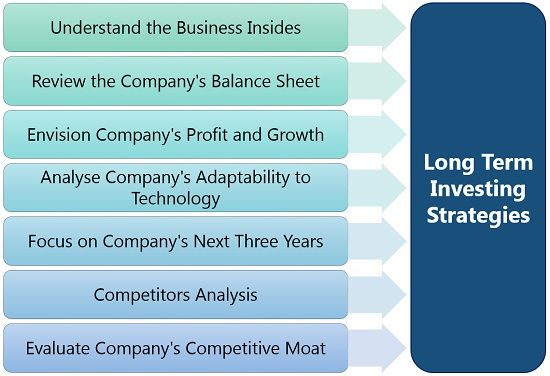
Before diving into specific assets, it is crucial to define what “long-term” actually means in the current market. In 2026, a long-term horizon is generally considered five to twenty years. This timeframe allows investors to ride out the inevitable cycles of market volatility and benefit from the “eighth wonder of the world”: compound interest.
The Power of Compounding
The primary reason to adopt a long-term strategy is the exponential growth of capital. When you reinvest your earnings, those earnings generate their own earnings. Over a decade, this creates a snowball effect that can turn modest monthly contributions into a substantial nest egg.
Risk vs. Reward in 2026
In 2026, the definition of risk has evolved. We are seeing higher correlations between traditional asset classes, making true diversification harder to achieve. A best practice today involves not just spreading money across different companies, but across different geographies, sectors, and asset types (including digital and physical).
Step 1: Define Your Financial Objectives and Risk Tolerance
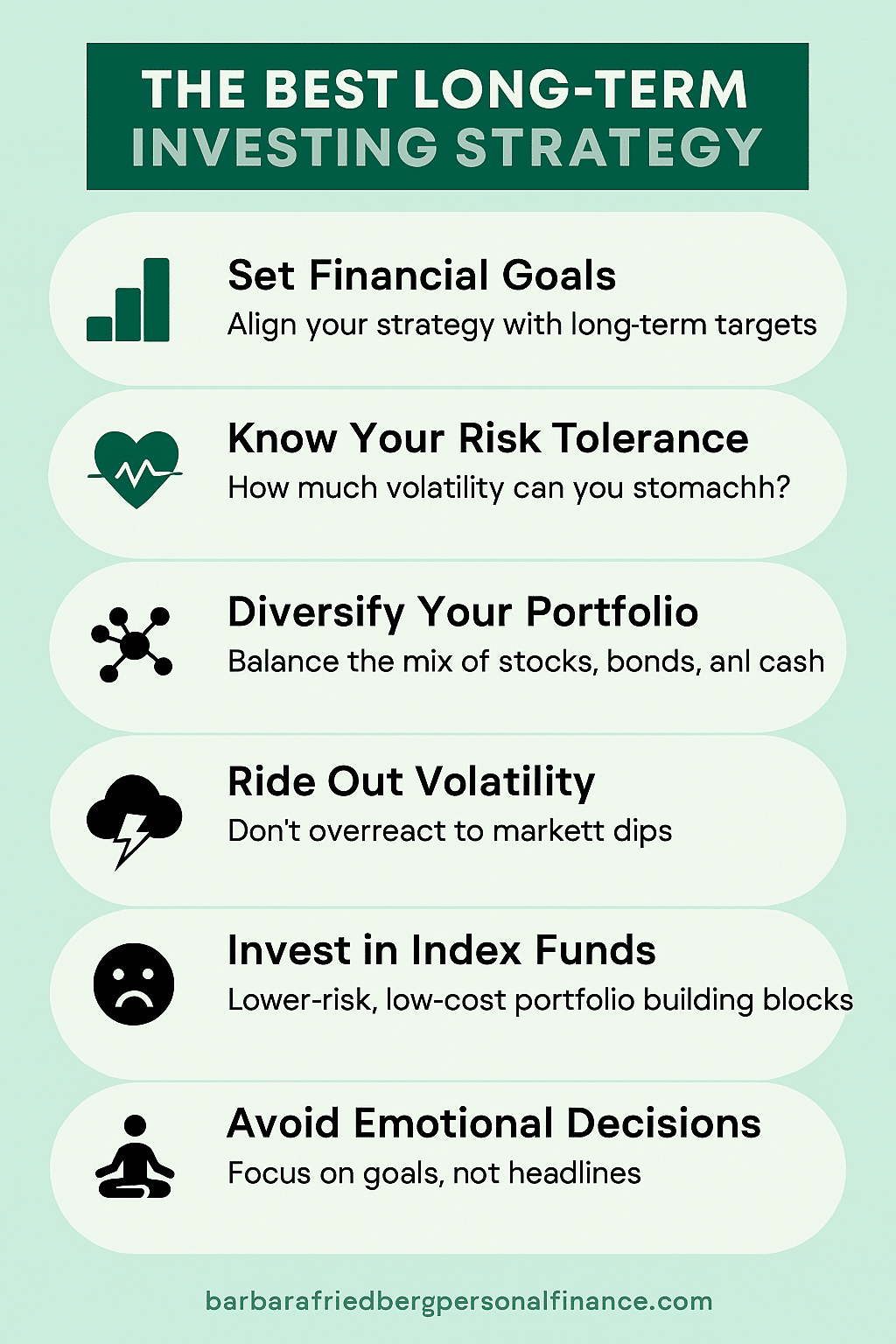
The first best practice for selecting a long-term investment strategy is a deep dive into your own psychology and financial needs. You cannot choose a destination without a map.
Identifying Your “Why”
Are you investing for early retirement, a child’s education, or generational wealth? Each goal has a different “time bucket.” Short-term goals (1-3 years) should never be funded with long-term strategies like aggressive equity portfolios. In 2026, smart investors use goal-based software to track these buckets separately.
Assessing Risk Capacity vs. Risk Tolerance
There is a difference between how much risk you can take (capacity) and how much risk you can stomach (tolerance).
Risk Capacity: Based on your age, income stability, and debt-to-income ratio.
Risk Tolerance: Your emotional reaction when the market drops by 20% in a single month.
A successful strategy aligns these two factors. If your strategy is too aggressive for your personality, you will likely panic-sell at the worst possible time.
Step 2: Selecting the Right Investment Vehicles
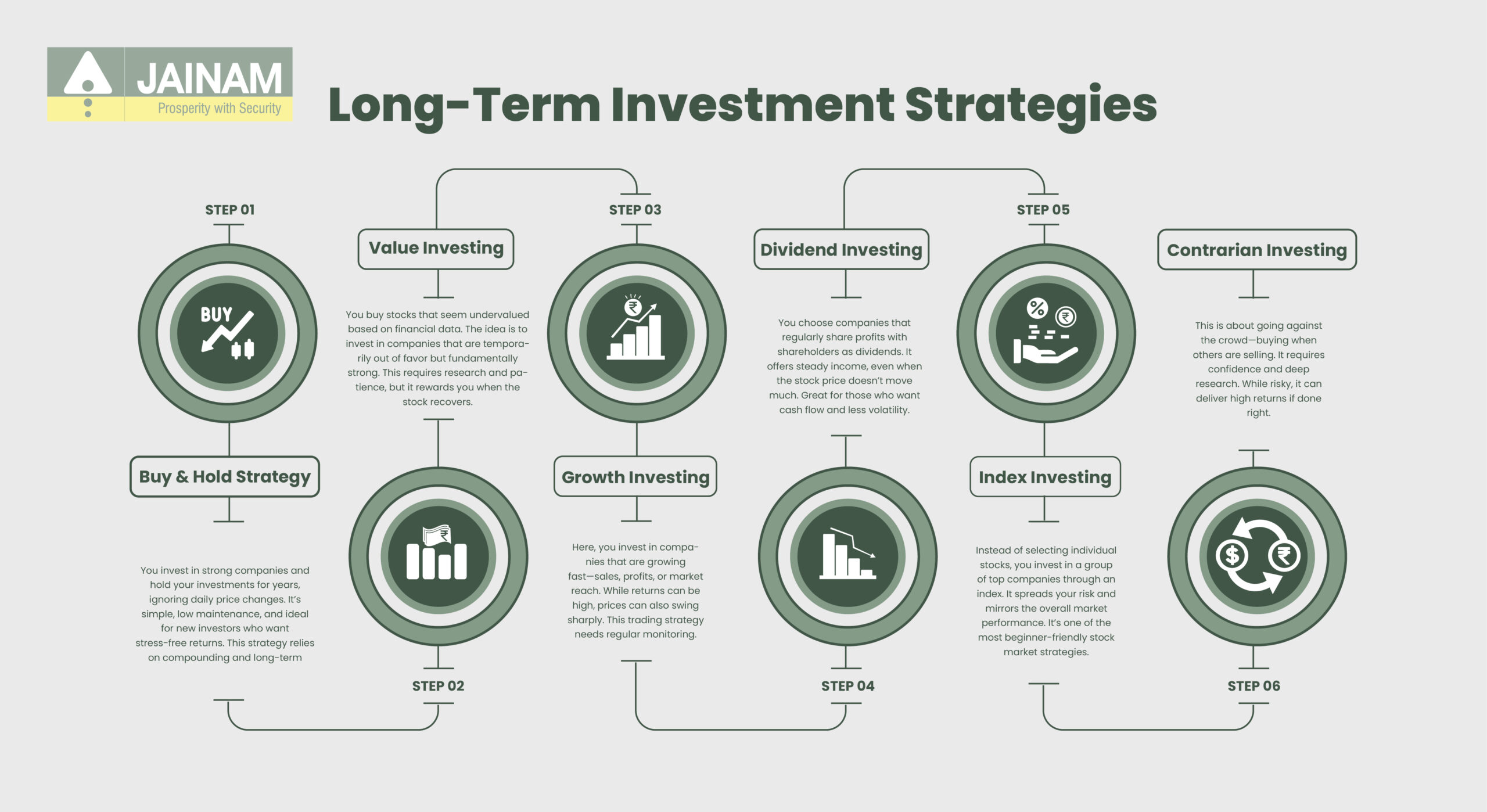
In 2026, the menu of investment options is broader than ever. Selecting the right vehicle is a cornerstone of best practices for selecting a long-term investment strategy.
Low-Cost Index Funds and ETFs
For the vast majority of investors, Exchange-Traded Funds (ETFs) remain the gold standard. They offer instant diversification and extremely low expense ratios. In 2026, we are seeing a surge in thematic ETFs focusing on AI, renewable energy, and biotechnology. However, a “Core and Satellite” approach—where 80% of your money is in broad market indexes and 20% is in specific themes—is often the most balanced path.
Dividend Growth Investing
This strategy involves buying shares in companies that consistently increase their dividend payouts. It is a favorite for those seeking passive income. In a 2026 economy where inflation remains a lingering concern, companies with strong cash flows and rising dividends act as a natural hedge.
The Rise of Alternative Assets
Long-term strategies in 2026 now frequently include alternatives. This includes:
Private Equity: Accessing companies before they go public.
Tokenized Real Estate: Owning fractions of commercial properties via blockchain technology.
Commodities: Gold and silver remain relevant, but “green metals” like lithium and copper are becoming long-term staples.
Step 3: Implementing Dollar-Cost Averaging (DCA)
One of the most effective best practices for selecting a long-term investment strategy is removing the element of “timing the market.” Dollar-Cost Averaging is the practice of investing a fixed amount of money at regular intervals, regardless of the price.
Why DCA Wins in 2026
With the high-frequency trading and AI-driven volatility of 2026, the market can move 5% in a day based on a single news headline. DCA ensures that you:
- Buy more shares when prices are low.
- Buy fewer shares when prices are high.
- Maintain emotional discipline by automating your contributions.
Automation is Key
In the current digital age, there is no excuse for manual investing. Use automated transfers from your bank to your brokerage. By the time you see the money in your account, it should already be working for you.
Step 4: Diversification and Modern Asset Allocation
The old “60/40” rule (60% stocks, 40% bonds) has been heavily debated. In 2026, modern portfolio theory suggests a more nuanced approach.
The New Allocation Model
Many experts now advocate for a 70/20/10 model:
70% Equities: A mix of domestic and international stocks.
20% Fixed Income/Cash: High-yield savings, treasury bonds, or inflation-protected securities.
10% Alternatives: Digital assets, real estate, or venture capital.
Geographical Diversification
Don’t fall into the “home country bias.” While the US market has historically been strong, 2026 is seeing massive growth in emerging markets across Southeast Asia and Africa. A truly long-term strategy must capture global growth.
Step 5: The Role of AI and Robo-Advisors
By 2026, Artificial Intelligence has become an integral part of portfolio management. Selecting a strategy now often involves choosing between a human advisor, a robo-advisor, or a hybrid model.
AI-Optimized Rebalancing
One of the best practices for selecting a long-term investment strategy is periodic rebalancing. If your stocks perform well, they might eventually make up 90% of your portfolio, leaving you overexposed to risk. AI tools can now automatically rebalance your portfolio daily or weekly, ensuring you stay within your target risk parameters without incurring massive tax hits.
Tax-Loss Harvesting
Modern investment platforms in 2026 use AI to identify “losing” positions that can be sold to offset gains, effectively lowering your tax bill. This tax-loss harvesting can add up to 1% to your annual returns over the long term—a significant boost when compounded over 20 years.
Step 6: Avoiding Common Pitfalls
Even the best-laid plans can fail if you fall into common psychological traps. Long-term investing is 10% math and 90% temperament.
The Danger of FOMO (Fear of Missing Out)
In 2026, social media and AI-generated “hype” can make it feel like everyone is getting rich off the latest meme coin or tech startup. Stick to your strategy. Chasing returns is the fastest way to erode long-term wealth.
Ignoring Fees
A 1% management fee might sound small, but over 30 years, it can eat up nearly 25% of your total gains. Always look for low-cost options. In 2026, competition among brokers has driven many ETF expense ratios down to near zero.
Over-Monitoring Your Portfolio
Checking your accounts daily is counterproductive for a long-term investor. It leads to emotional decision-making. Best practices suggest reviewing your strategy quarterly or even annually.
The Importance of Sustainability and ESG in 2026
Environmental, Social, and Governance (ESG) factors are no longer just “feel-good” metrics. In 2026, they are risk management tools. Companies that ignore climate change or social shifts face regulatory hurdles and declining consumer interest.
Integrating ESG into your long-term strategy isn’t just about ethics; it’s about future-proofing. Many of the highest-performing funds in 2026 are those that prioritize sustainable growth and ethical supply chains.
Conclusion: Building a Resilient Future
Selecting a long-term investment strategy in 2026 requires a blend of traditional wisdom and modern technology. By defining your goals, diversifying across global assets, utilizing DCA, and leveraging AI for optimization, you position yourself to thrive in any economic climate.
Remember, the “best” strategy is the one you can stick to during a market crash. Wealth is not built overnight; it is the result of consistent actions taken over decades. Start today, automate your process, and let the power of time do the heavy lifting for you.
Key Takeaways for 2026:
Focus on Low Costs: Minimize fees to maximize compounding.
Embrace Technology: Use AI for rebalancing and tax efficiency.
Stay Diversified: Look beyond stocks to alternatives and global markets.
Control Emotions: Discipline is your greatest asset.
The journey to financial freedom is a marathon, not a sprint. By following these best practices for selecting a long-term investment strategy, you are not just saving money—you are designing a future of security and abundance.