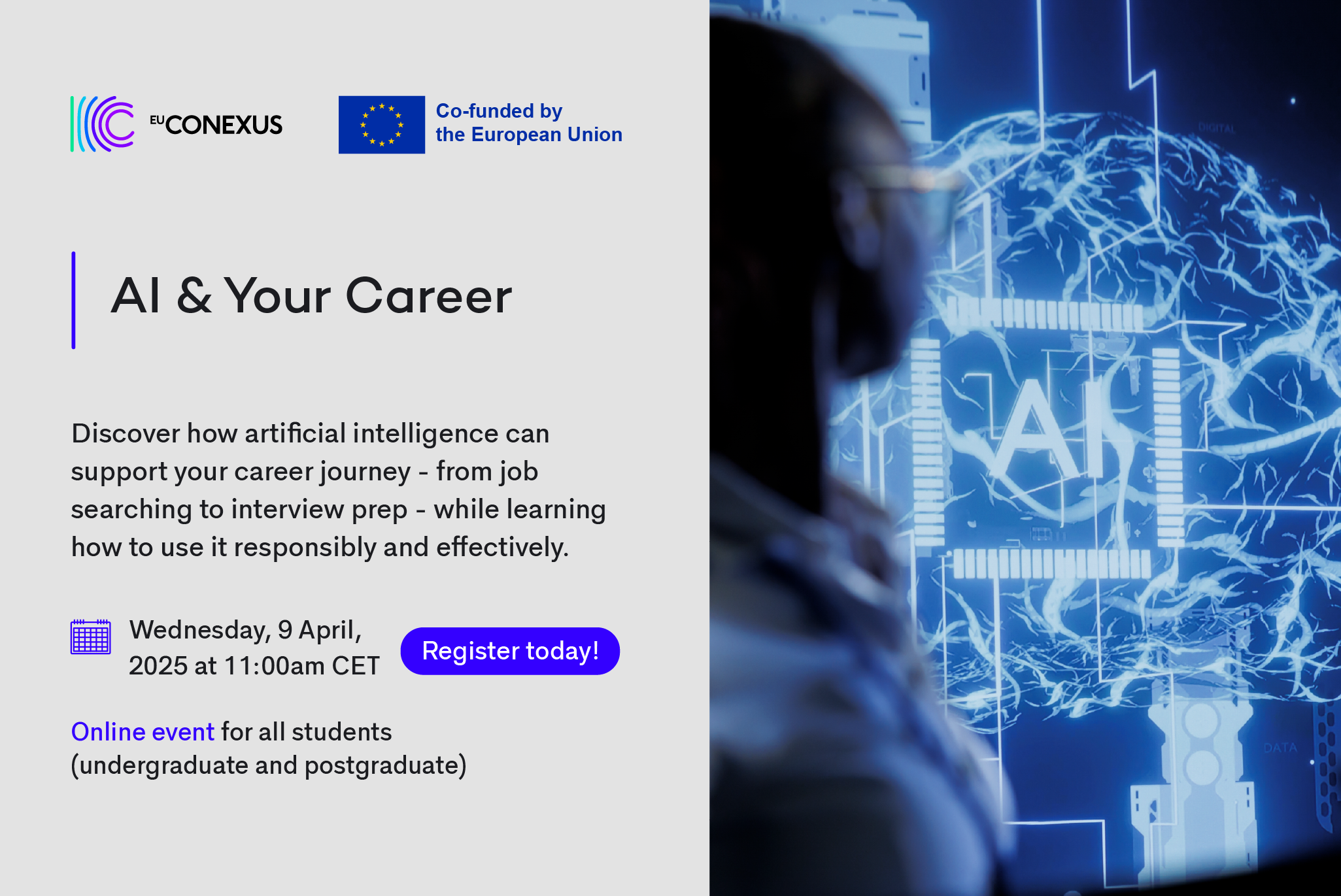
5 Job Areas Dominated by AI: Is Your Career Ready for the Change?
As artificial intelligence (AI) continues to evolve and permeate various sectors, the job market is undergoing significant transformations. Many professionals wonder how these rapid advancements will impact their careers in the short and long term. In this article, we will delve into five key job areas where AI is making a profound impact, reshaping the workforce landscape. We’ll also discuss how you can prepare yourself for these changes and ensure that your career remains relevant in this AI-driven era.
1. Healthcare
How AI is Transforming Healthcare Job Roles
AI technologies are increasingly being adopted in healthcare settings, facilitating improvements in diagnostics, treatment plans, and patient care. With the advent of machine learning algorithms that analyze massive amounts of medical data, roles related to data analysis and patient management are becoming more prominent. Key transformations include:
- Predictive Analytics: AI can forecast patient health trends, enabling preventive care measures.
- Robotic Surgery: Surgeons are utilizing AI-driven robotic systems to enhance surgical precision and recovery times.
- Telemedicine: Virtual healthcare solutions powered by AI are streamlining patient interactions, leading to more accessible care.
Career Implications
As healthcare increasingly relies on AI, roles such as AI healthcare analyst, telehealth coordinator, and data-driven healthcare manager are gaining traction. Professionals in this field should focus on developing skills in data interpretation, patient communication, and technology integration.
2. Finance
Impact of AI in the Financial Sector
AI is revolutionizing the finance industry by automating critical processes such as risk assessment, fraud detection, and customer service. The rise of AI in finance has created demand for roles that can interpret data and influence strategic decisions. Significant changes include:
- Algorithmic Trading: AI-driven algorithms are improving market predictions and investment strategies.
- Chatbots: Financial institutions use AI chatbots to enhance customer service and process inquiries efficiently.
- Risk Management: AI tools help in identifying financial risks through advanced analytics.
Career Implications
Careers such as financial data scientist, compliance officer with AI expertise, and AI-enhanced customer service roles are emerging. Finance professionals should consider acquiring skills in programming, machine learning, and risk analysis to remain competitive.
3. Marketing
AI’s Role in Modern Marketing Practices
In the marketing domain, AI tools are transforming how businesses engage with consumers. From analytics to personalized advertising, AI helps optimize marketing strategies, increasing their effectiveness. Key developments include:
- Predictive Segmentation: Marketers use AI to analyze consumer behavior, tailoring campaigns to specific audience segments.
- Content Creation: AI can generate content that resonates with target audiences, improving engagement rates.
- Customer Insights: AI’s ability to process customer interactions enables businesses to refine their strategies dynamically.
Career Implications
As AI modifies marketing methodologies, jobs like digital marketing analysts, content strategy managers, and AI-driven customer engagement specialists are set to grow. Marketers should enhance their analytical skills and understand AI applications in social media and SEO.
4. Manufacturing
AI Advancements in Manufacturing Processes
The manufacturing sector is witnessing a seismic shift due to AI integration, leading to enhanced efficiencies and productivity. Automation powered by AI is redefining traditional roles and introducing new opportunities. Major shifts include:
- Predictive Maintenance: AI algorithms predict equipment failures before they occur, minimizing downtimes.
- Quality Control: Automated systems assess product quality in real-time, ensuring higher standards.
- Supply Chain Optimization: AI enhances logistics and inventory management, streamlining supply chain operations.
Career Implications
With AI’s influence, roles such as automation specialists, AI systems technicians, and quality assurance analysts are growing in demand. Individuals should therefore seek skills in robotics, AI systems management, and data analysis.
5. Education
AI’s Role in Educational Innovation
AI is changing the educational landscape, enabling personalized and flexible learning experiences. From tailored lesson plans to AI tutors, the impact of AI in education is profound. Key developments include:
- Adaptive Learning Technologies: AI systems provide customized resources and learning paths for students.
- Administrative Automation: AI streamlines administrative tasks, allowing educators to focus more on teaching.
- Student Assessment: AI tools analyze student performance, helping educators identify areas for improvement.
Career Implications
As AI continues to shape education, professions like instructional designers, AI education consultants, and data analysts for educational institutions are on the rise. Educators must familiarize themselves with AI tools and develop digital literacy skills.
Conclusion: Preparing for the AI-Driven Future
AI is undeniably reshaping job markets across multiple sectors. To future-proof your career in the age of AI, consider the following strategies:
| Strategy | Action Items |
|---|---|
| Upskill | Take courses in AI, data analysis, and programming. |
| Network | Connect with professionals in AI and tech industries. |
| Stay Informed | Regularly read about new AI trends relevant to your field. |
| Embrace Adaptability | Be open to changing roles and responsibilities as technology evolves. |
By understanding the transformative impacts of AI on various professions and preparing accordingly, you can seamlessly navigate the changing job landscape, ensuring your career stays relevant and thriving in this dynamic environment. As AI continues to advance, embrace the opportunities it presents, and position yourself as a valuable asset in your chosen field.

Additional Information
5 Job Areas Dominated by AI: Is Your Career Ready for the Change?
As artificial intelligence (AI) continues to permeate various sectors, it drastically reshapes job landscapes and the skills required for success. Understanding which industries are being transformed by AI can provide crucial insights for anyone looking to future-proof their career. Here we delve into five job areas significantly impacted by AI, outlining their progression and the skills needed to thrive in this evolving environment.
1. Technology and Software Development
Overview: AI is revolutionizing the tech industry by automating processes and creating smarter systems. Roles such as AI engineers, machine learning specialists, and data scientists are rapidly expanding, with companies eager to harness AI capabilities for competitive advantage.
Skills Needed:
- Proficiency in programming languages like Python, R, and Java.
- Understanding of algorithms, neural networks, and statistical methods.
- Knowledge of cloud computing platforms like AWS or Google Cloud.
Future Outlook: By 2025, it is expected that AI-related roles will dominate tech job openings, with companies looking for professionals who can develop and manage complex AI systems (Source: Nexford.edu).
2. Healthcare Analytics
Overview: AI is increasingly used in healthcare for predictive analytics, patient diagnostics, personalized medicine, and more. Healthcare professionals must adapt to new technologies that enhance patient care and outcomes.
Skills Needed:
- Familiarity with data analysis software and tools.
- Knowledge of health informatics and electronic health record (EHR) systems.
- Teamwork and communication skills, particularly for interdisciplinary collaboration.
Future Outlook: The integration of AI in healthcare is expected to eliminate certain administrative roles while creating demand for health data analysts and AI specialists (Source: Cornerstoneondemand.com).
3. Marketing and Customer Insights
Overview: AI is transforming marketing by optimizing customer data analysis, automating advertising placements, and personalizing customer engagement. Marketers need to embrace AI tools to enhance campaign effectiveness.
Skills Needed:
- Proficiency in digital marketing analytics tools and CRM systems.
- Understanding of machine learning algorithms for customer segmentation.
- Creativity for content creation combined with analytical skills to interpret data.
Future Outlook: Marketing roles that utilize AI for decision-making and customer interactions will see growth, as businesses that do not adopt these technologies risk falling behind (Source: LinkedIn).
4. Manufacturing and Supply Chain Management
Overview: AI is redefining manufacturing processes through automation, robotics, and optimized supply chain logistics. Industries are investing heavily in smart factories powered by AI to enhance efficiency and reduce costs.
Skills Needed:
- Background in mechanical engineering or industrial engineering.
- Familiarity with automation technologies and IoT systems.
- Data analysis skills for supply chain optimization.
Future Outlook: By 2026, several roles within manufacturing, particularly in operations management and process engineering, will be in demand as businesses increasingly adopt AI to streamline productivity (Source: Abhishek Shakya on LinkedIn).
5. Finance and Investment
Overview: AI significantly influences the finance sector by providing data-driven insights, automating trading activities, and managing risk assessments. Financial analysts and investment managers are increasingly relying on AI tools to enhance their strategies.
Skills Needed:
- Strong foundation in statistical analysis and financial modeling.
- Familiarity with AI applications in risk assessment and fraud detection.
- Critical thinking and ethical judgment regarding AI-driven insights.
Future Outlook: A shift towards data-centric roles in finance is anticipated, with increased importance placed on professionals who can interpret AI-generated insights for strategic decision-making (Source: Forbes).
Conclusion: Preparing for an AI-Driven Career Landscape
As AI continues to advance, the job market will inevitably evolve. While some roles may become less relevant, new opportunities will arise, particularly for those who reskill and adapt to technological growth. Aspiring professionals should focus on acquiring relevant technical skills, emotional intelligence, and a willingness to learn continuously. This proactive approach will not only ensure career stability but also foster growth in an AI-dominated landscape.
Understanding these trends is essential as you navigate your career path—consider exploring courses, certifications, and networking opportunities in AI-driven fields to prepare yourself effectively for the future.